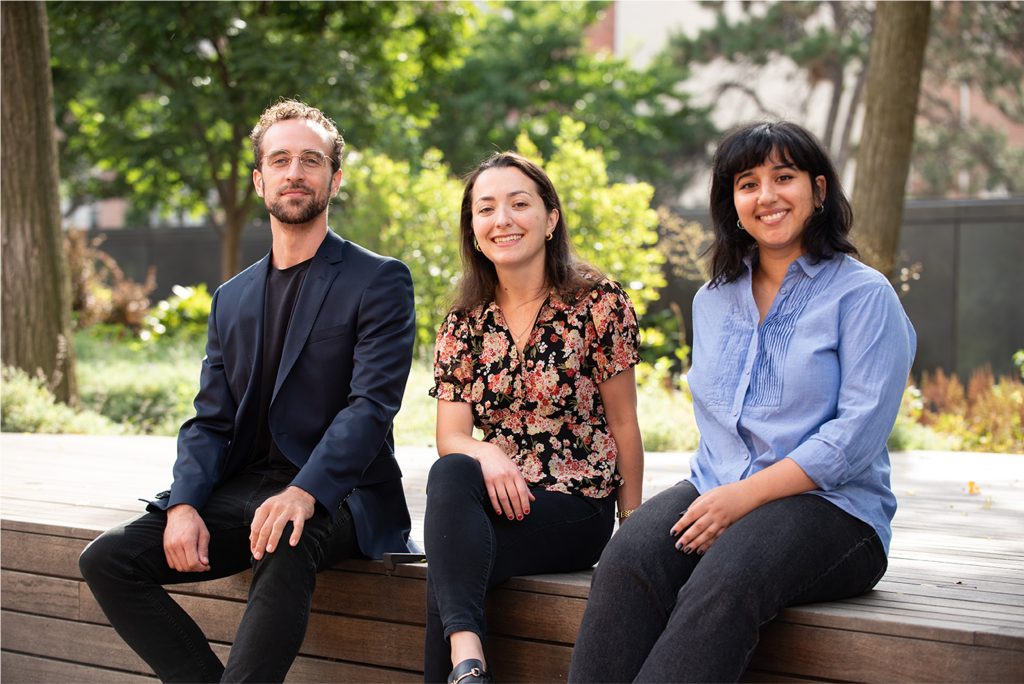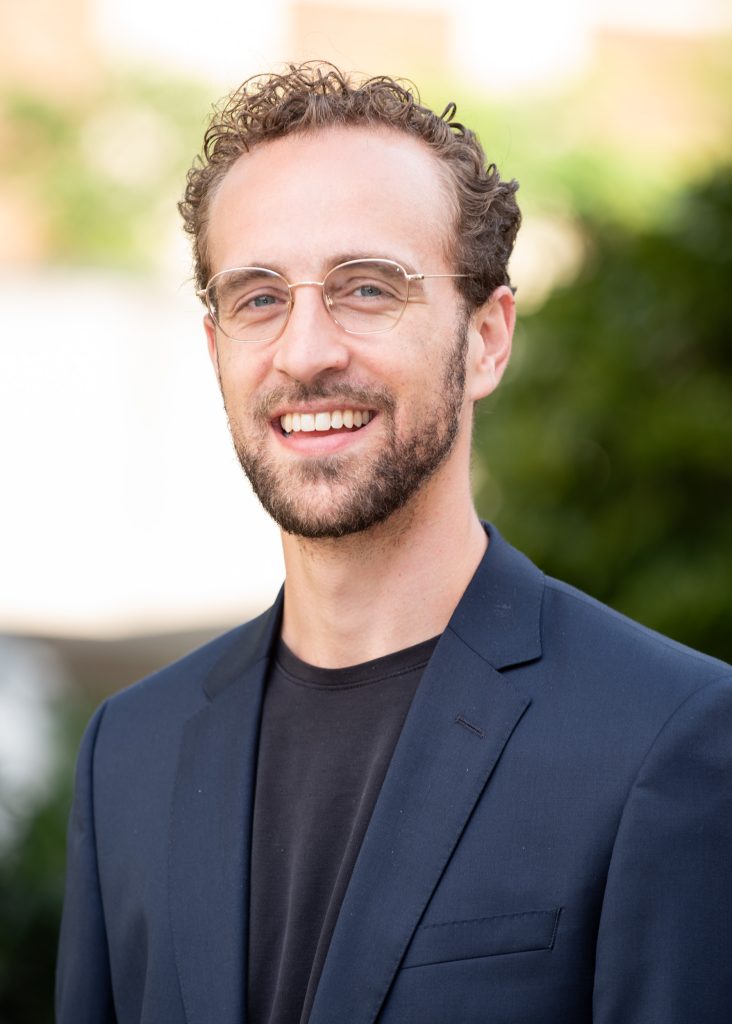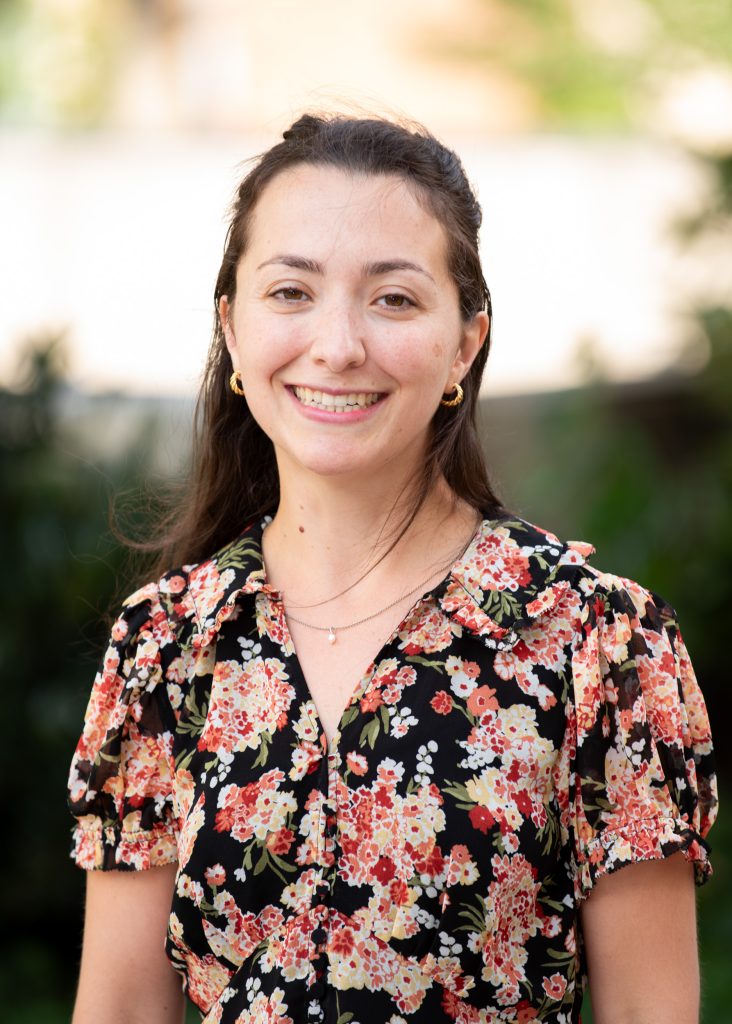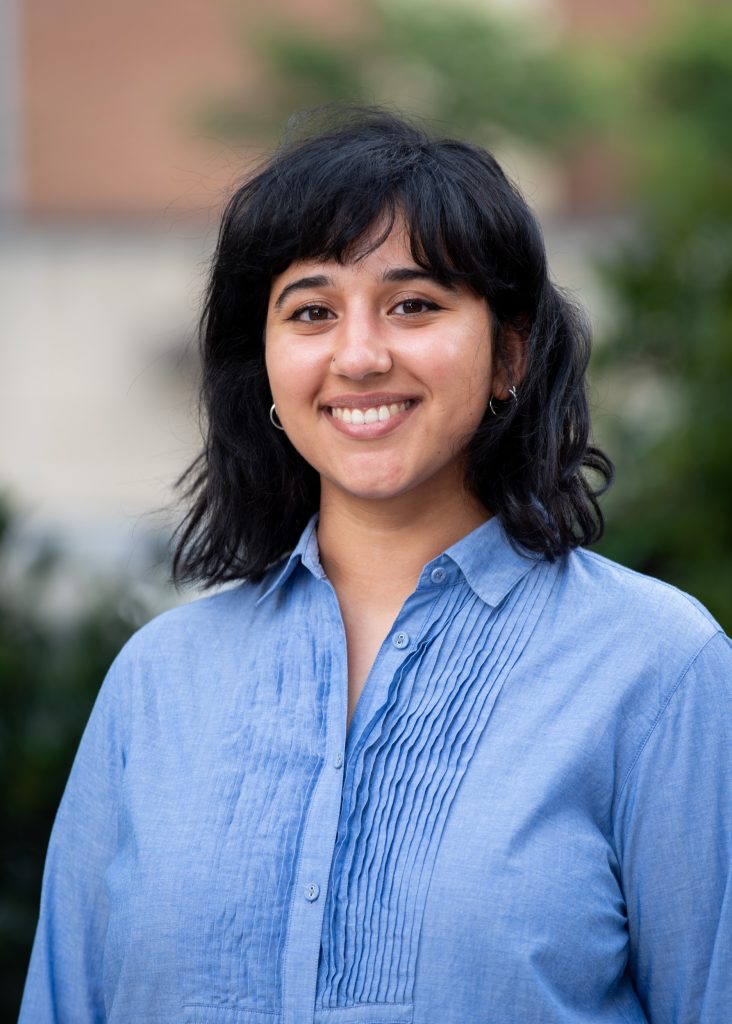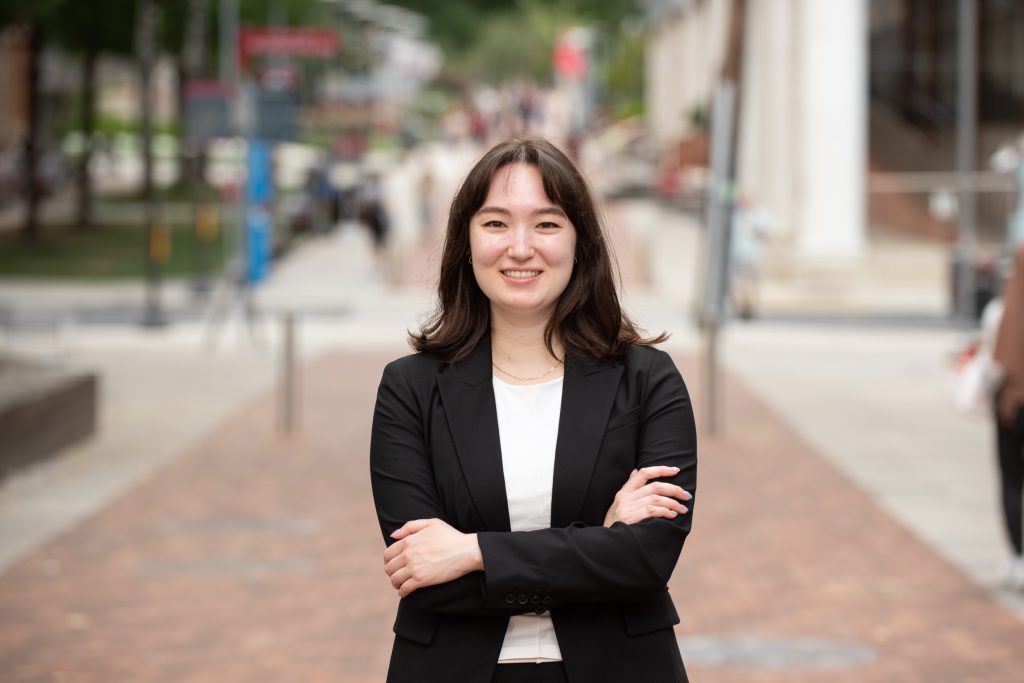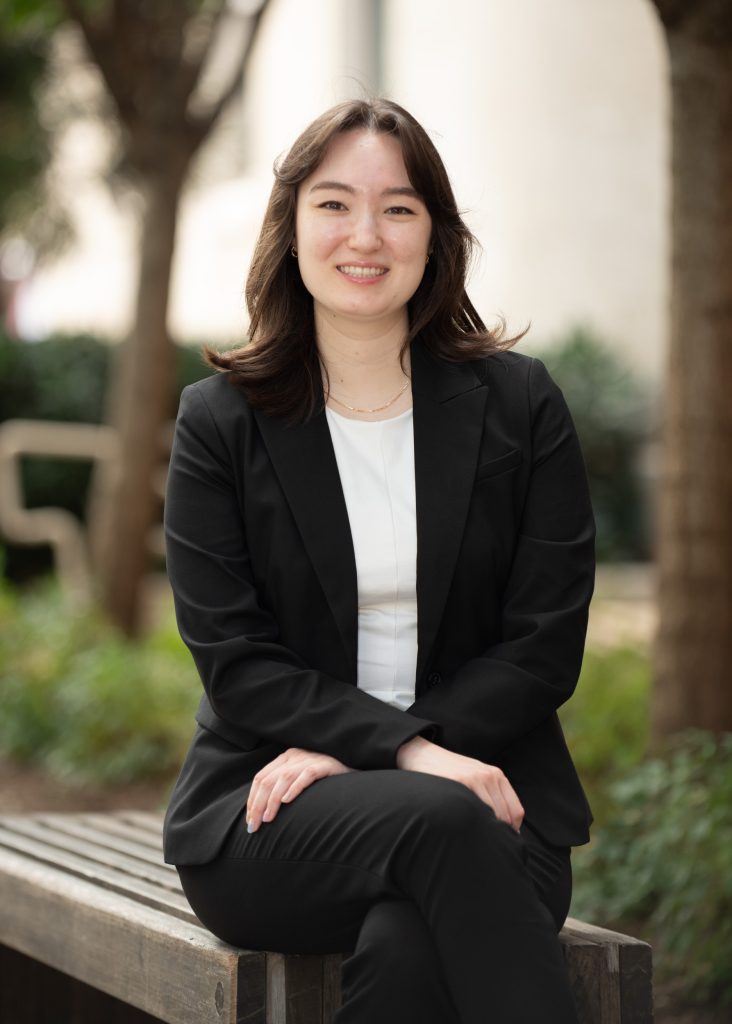
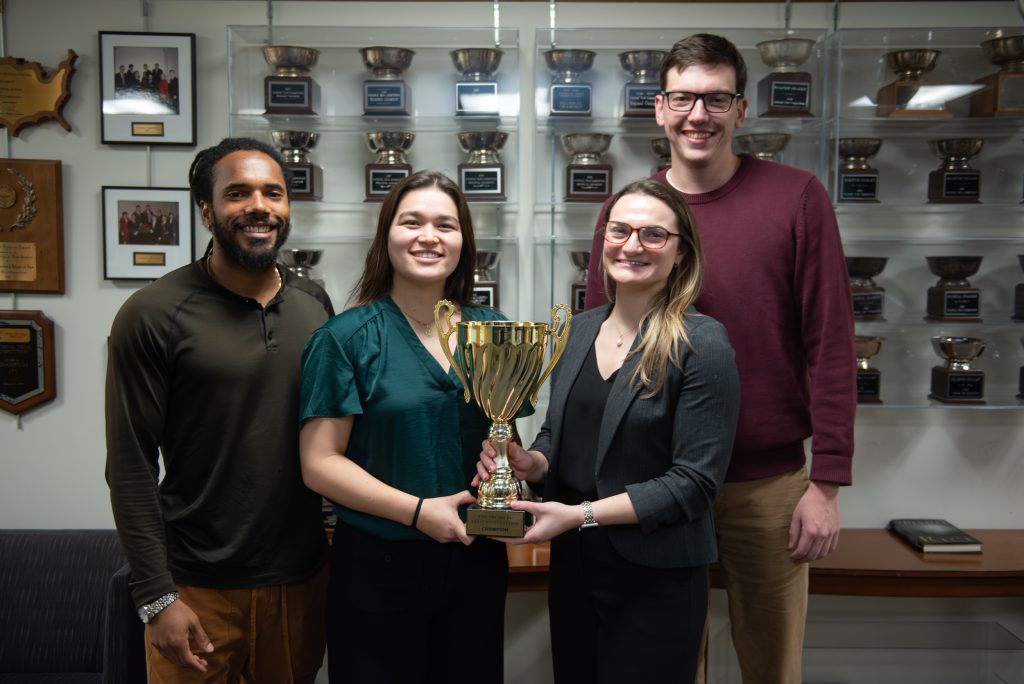
The Temple Law Rosner National Trial Team. From left to right: Justin HIll, Katie Chun, Jennifer Levito, and Collin Petersen.

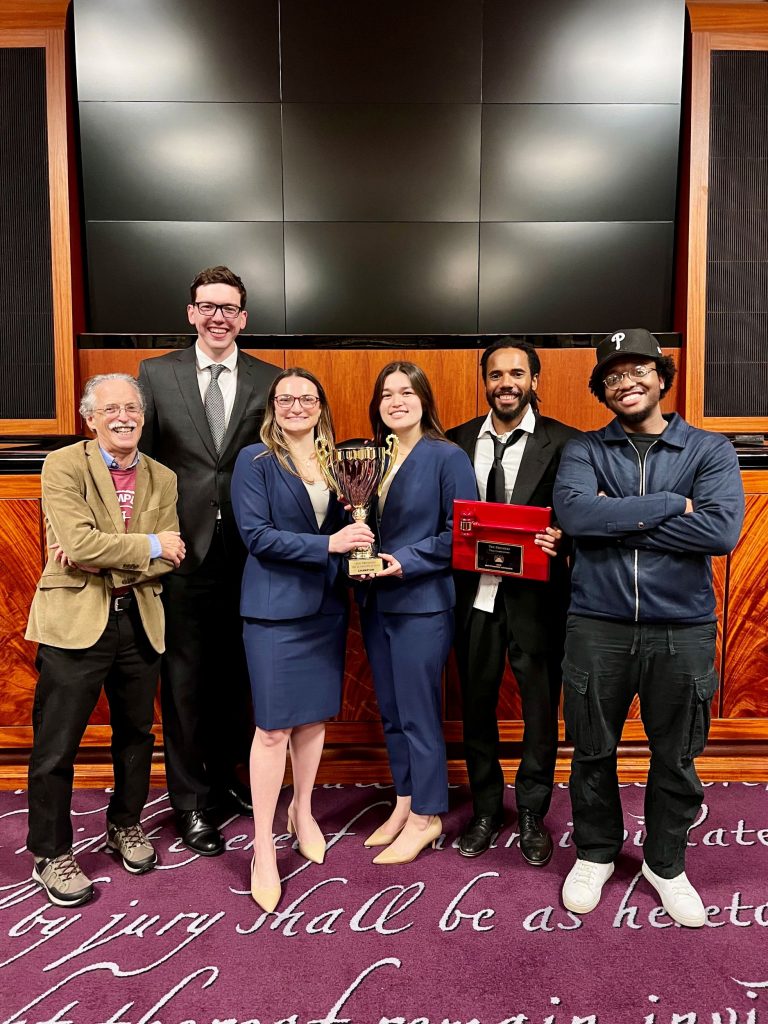
Temple Law’s Rosner National Trial Team has won the 2025 Premiere Mock Trial Competition, hosted by Drexel Kline School of Law, marking the second consecutive year that Temple has claimed the championship.  

This year’s winning squad—2Ls Justin Hill, Jennifer Levito, Katie Chun, and Collin Petersen—was coached by Professor and Director of Advocacy Programs Jules Epstein, Christopher Moore LAW ‘23, and Nicholas Guth LAW ‘20. 

“I could not have asked for better coaches, teammates and mentors through this process. The opportunity to bond through preparing and competing the way we did has been a really special experience,” said Justin Hill, who was named the Premiere Competition’s Best Advocate. 
The Premiere Mock Trial Competition is among the first opportunities for law students to test their trial advocacy skills. By rule, entrants are limited to those who have not competed in other external trial competitions, pitting law school advocates against one another in their first interscholastic competition.  

“Competing at the Premiere was an incredible experience,” said Collin Petersen. “I’m deeply grateful for the time and effort my teammates and coaches dedicated over the past two months, and I’m immensely proud to have been part of this team.” 

All trials were judged by the coaches of participating teams, excluding the two teams in argument, to ensure fairness and impartial feedback. Each team competes in four trials, two on each side, in which the advocates and witnesses rotate roles.  

“I want to be a public defender after graduation, and I think competing on Temple’s trial team is one of the best ways to prepare for that,” said Katie Chun.  

Jennifer Levito called competing in the Premiere an “unforgettable experience.” 

“It was an opportunity to test our advocacy skills against some of the best, learn from brilliant coaches, and represent Temple with pride. Every moment, we trusted ourselves because we had the support of one another,” Levito said. “It truly takes a village, and I am so grateful for mine!” 

Now with back-to-back victories under their belt, the Temple Rosner National Trial Team again proves that with rigorous preparation, deep mentorship, and a culture of mutual support, our students are empowered to step into the courtroom, whether in competition or the careers that follow. 
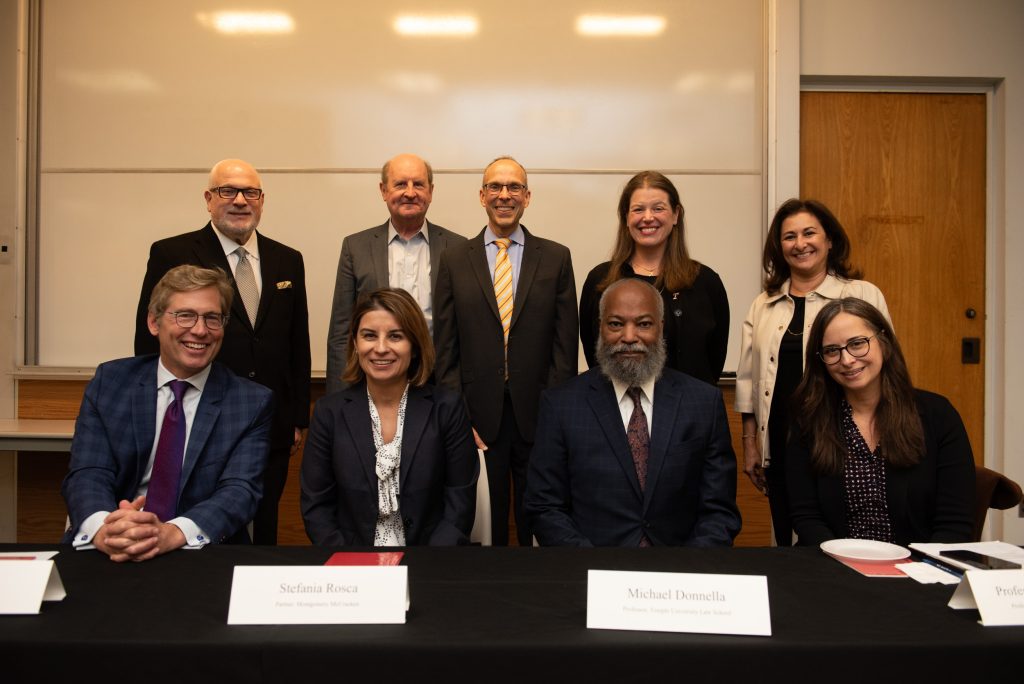
The Temple University Beasley School of Law was proud to host a Philadelphia Bar Association Chancellor’s Forum on October 28, 2025, with a panel of professionals who shared their experiences from different fields of international law. Co-sponsored by the Philadelphia Bar Association (PBA), Temple Law’s Offices of Career Services and Graduate & International Programs, and the International Law Society, the Chancellor’s Forum presented insights on building legal careers in international law. Students heard from Jeremy Heep, Partner and Head of International Arbitration at Troutman Pepper Locke; Alina Stefania Rosca, Partner in the Litigation Department at Montgomery McCracken; Professor Michael Donnella, Director of the Center for Compliance and Ethics; and Barrack Chair in Law Professor Rachel López.

Interim Dean Kristen Murray welcomed a diverse assembly of students, faculty, and practitioners. In what promises to be the first collaboration of many, the community gathered to discuss what it means to live and practice in a global economy. The PBA Chancellor, Katayun Jaffari gave the opening remarks and highlighted how Philadelphia is a great international city and the birthplace of American democracy. A city of firsts, Philadelphia is a global leader in numerous sectors of business and scientific discovery and home to America’s oldest bar association. Chancellor Jaffari encouraged students to join the PBA (membership is free through Temple Law’s institutional affiliation with the PBA) and apply for membership on the International Law Committee.

As the moderator, Assistant Dean John Smagula asked the panelists to share practical advice regarding skills and qualities valued by employers. From cross-border litigation over complex disputes, international arbitration, business law compliance for multinational companies, and the promotion of human rights to the development of international criminal law, the panel exemplified many pathways to private and public international law. The panelists encouraged students to leverage their language and communication skills and approach global issues as problem solvers. As the futures of both litigation and transactional lawyering become increasingly multi-jurisdictional, competence and specialization in international law add value to many firms.

The panelists emphasized that there is no single path to an international law career. Students and practitioners must create their own journeys and stories of success depending on their interests. To launch those journeys, students should consider study abroad opportunities offered by their law schools. The global reach of Temple Law, for example, allows for uniquely enriching international experiences as part of one’s legal education, such as spending a semester abroad in Rome, Italy or Tokyo, Japan.

The Chancellor’s Forum marks a strong partnership between Temple Law and the Philadelphia Bar Association. We are grateful for the Chancellor’s support and all the speakers’ inspirational remarks. Temple Law looks forward to collaborating more in the future and building on our tradition of international law advocacy.

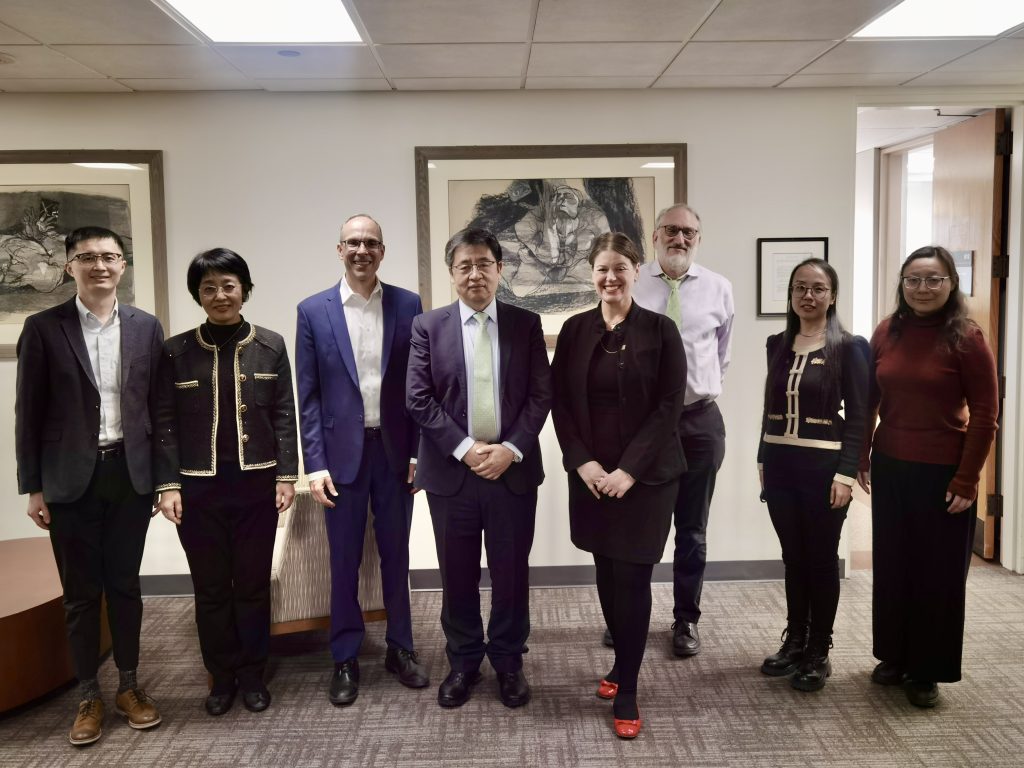
On November 18, Interim Dean Kristen Murray welcomed a delegation from the School of Juridical Science at the China University of Political Science and Law (CUPL). The visit reaffirmed the long-standing academic collaboration between the two law schools and underscored their shared commitments to international legal education, student study abroad, and global engagement. 

The delegation was led by Dean Xu Shenjian, a respected legal scholar and longtime friend of Temple Law. Dean Xu has a special connection to Temple, having participated in Temple Law’s 2007 and 2009 Experiential Education Roundtables in China, programs led by Professor Emerita Eleanor Myers that strengthened professional skills training and fostered cross-border dialogue on experiential learning. 

During the visit, the two institutions discussed opportunities to deepen collaboration, expand scholarly exchange, and create new avenues for student engagement. The meeting also provided a forum to reflect on more than two decades of partnership between Temple Law and CUPL, which began with their groundbreaking 1997 cooperation agreement, the first Sino-U.S. law school partnership in China, and has since included joint academic programs and faculty exchanges that have helped advance legal education in both countries. 

Temple Law was delighted to host Dean Xu and the CUPL delegation and looks forward to continued collaboration in the years ahead. 

Photo (from left): Pan Wenbo, Lecturer; Liang Min, Vice Dean and Researcher; John Smagula, Assistant Dean; Xu Shenjian, Dean and Professor; Kristen Murray, Interim Dean; Spencer Rand, Professor; Huang Xujing, Deputy Director of Teaching and Academic Affairs; and Cao Huiqun, Secretary of Foreign Affairs. 

Each fall, a new class redefines what it means to be a Temple Lawyer. The Entering Class of 2025 brings exceptional academic credentials, wide-ranging life experiences, and a shared commitment to impactful lawyering that advances justice, strengthens communities, and shapes the profession in meaningful ways. 

A total of 237 new J.D. students joined Temple Law this fall, including 212 in the Day Division and 25 in the Evening Division. This is one of the largest entering cohorts in recent years and reflects Temple’s strong reputation for combining academic rigor with genuine opportunity. 

The incoming students arrive with a median undergraduate GPA of 3.76 and a median LSAT score of 165, continuing an upward trend in academic achievement while remaining true to the values that have always defined Temple: diversity of experience and service to the community.  

Diverse Perspectives, Shared Purpose 

Temple Law students are encouraged to bring their whole selves to the law school community. In addition to their academic credentials and demographics, here are some of the things they have shared with us about themselves so far. 

  • 37% identify as people of color. 
  • Of those who reported their gender, 52% identify as women, 45% as men, and 3% identify otherwise. 
  • 16% are first-generation students — the first in their families to graduate from college. 

The entering class also includes 11 students with advanced degrees, 37 who have served through the military, AmeriCorps, Teach for America, or similar programs, and 29 who identify as living with a chronic illness or disability. 27% speak two or more languages, and twenty-five students identify as LGBTQ+. Students earned undergraduate degrees from 126 colleges and universities across 31 states and countries, with 53% coming from outside Pennsylvania, including four international students.  

Experience Beyond the Classroom 

Temple’s incoming students bring more than academic achievement; they bring lived experience and leadership. 

  • 79% have spent at least a year out of college before beginning law school. 
  • The class includes 42 athletes; 41 artists, musicians, performers, or writers; and 49 students who have studied, served, or worked abroad. 
  • Five members of the entering class have served in the U.S. Armed Forces, and 14 have family ties to Temple Law alumni. 

These varied experiences, combined with the class’s academic strength, will enrich classroom discussion and prepare students for impactful lawyering in every area of practice. 

Carrying Temple’s Mission Forward 

As Temple Law’s 2025 entering class begins their legal education, they bring with them a commitment to impactful lawyering, a dedication to academic and ethical rigor, and a passion for making a difference in the legal profession and beyond. 

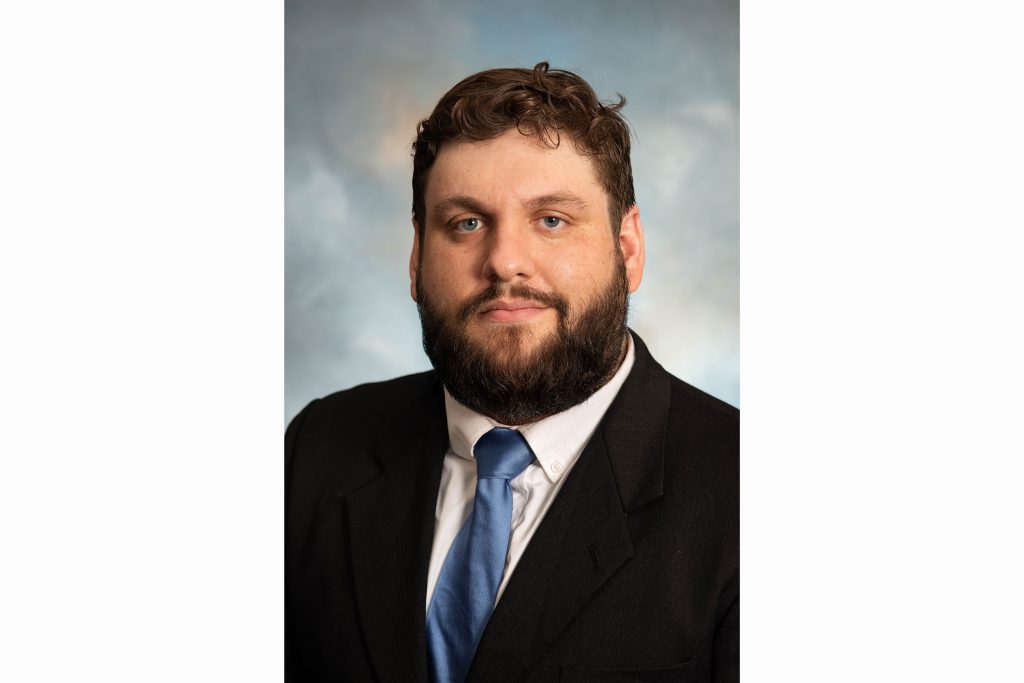
Michael Howland-Dewar, 2L, is a 2025 recipient of a Peggy Browning Fellowship, a prestigious program that provides law students with hands-on experience in labor and workplace justice advocacy. 

He spent his summer in Chicago with the Chicago News Guild (TNG-CWA Local 34071) and its outside counsel, Katz, Friedman, Eisenstein, Johnson, Bareck & Bertuca, where he worked on matters advancing the rights of organized workers. 

Each year, the Peggy Browning Fund selects a competitive cohort from among thousands of applicants, placing fellows with labor unions, worker advocacy organizations, and law firms representing labor interests. 

“I came to Temple with the explicit and exclusive goal of becoming a union-side labor attorney,” Howland-Dewar said. “That was informed by my political background, but primarily by my experience in working in unionized and non-unionized workplaces. I was able to see the union difference.” 

Born and raised in southern Connecticut, Howland-Dewar studied history at the University of Chicago, where his commitment to labor and political organizing began. He took a year off to work on the Bernie Sanders campaign in 2016 and, after graduation, returned to campaign work across Ohio, Pennsylvania, and New Jersey. In 2020, he rejoined the Sanders campaign in New Hampshire as a proud member of UFCW Local 400. 

Beyond campaign politics, he has continued to support labor organizing efforts—serving as a union-side election observer for graduate student unionization at UChicago and joining UNITE HERE picket lines in Philadelphia. 

Howland-Dewar credited his Temple Law coursework with providing a strong legal foundation that he applied during his fellowship. 

“While I hadn’t had a chance to take labor and employment-specific courses—I did this fellowship my 1L summer—I was able to take the methods I was taught in my 1L doctrinal classes to quickly pick up the relevant legal issues,” he said. “And I can’t state enough how much my Legal Research and Writing course prepared me to write effective, focused briefs for my supervisors.” 

Reflecting on the experience, he added: 

“A Peggy Browning Fellowship is a great opportunity to get essential experience doing labor law; it’s the first step many take on their career to becoming labor lawyers.” 

For Howland-Dewar, pursuing labor law is fundamentally about the clients he serves. 

“I see choosing to be a union-side labor attorney more as a choice of client than as a choice of specialty. While there is a lot of detailed administrative law involved, I most appreciated (and am most excited by) the sheer variety of topics that come up in the course of representing organized workers.” 

Looking ahead, Howland-Dewar has already secured a second Peggy Browning Fellowship with the International Office of the Communications Workers of America for summer 2026. 

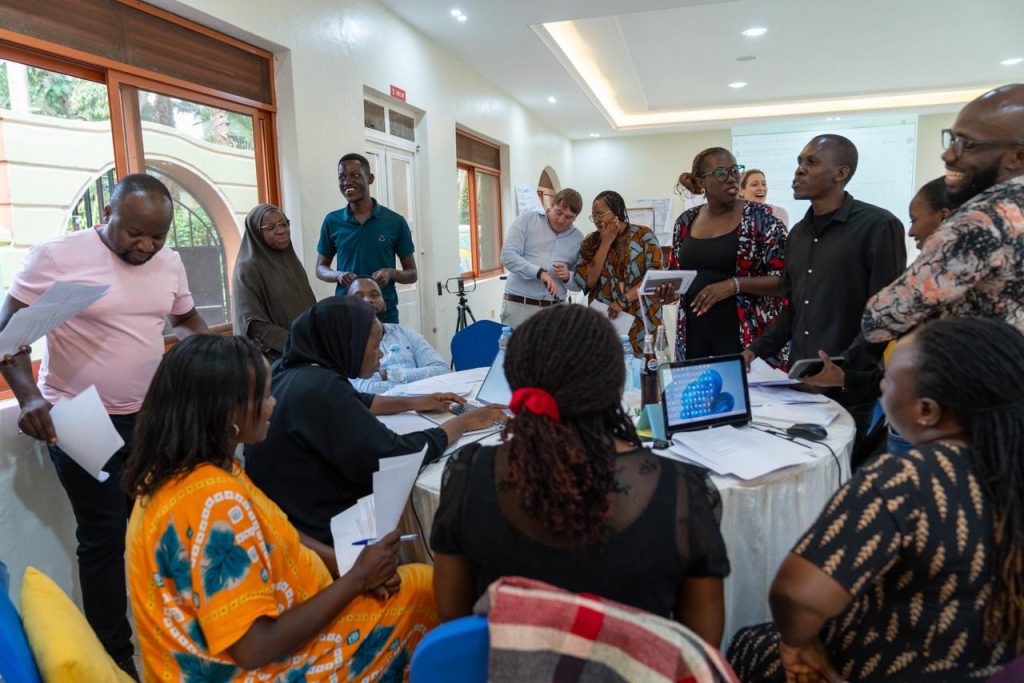
iLIT supported a training for Civil Society Organizations in Uganda focused on the human rights dimensions of Digital Public Infrastructure.

​​The Institute for Law, Innovation & Technology has been awarded two years of critical support by global fund Co-Develop to advance a series of strategic initiatives focused on the adoption of safe and inclusive digital public infrastructure (DPI) around the world.  

DPI generally refers to the digital systems, tools, and frameworks that enable core societal functions, including digital identity systems, digital payment platforms, and data-sharing networks. One significant focus for both iLIT and Co-Develop is creating tools for civil society organizations to document and analyze the impacts of DPI design decisions on human and civil rights so they can help ensure that protections and effective remedies for such rights are “baked in” to the infrastructure itself. iLIT is an established leader in efforts to develop guidelines for the safe and effective design and governance of DPI, including work on the United Nations’ Universal DPI Safeguards Framework released in September 2024 alongside the Global Digital Compact. 

The funding will enable iLIT to expand on existing work in several key areas through three interconnected projects: development of a “bootcamp” for non-state and judicial actors on the competencies they will need to engage in DPI-related work; enhancing the capacity of the HR4ID Civil Society Coalition through research support and accelerated knowledge transfer; and in-depth mixed methods research to estimate the compensation gap that civil society organizations absorb in provisioning the public with direct support and knowledge services tied to inclusion and safeguards for DPI. 

​​​​“iLIT’s Director, Laura Bingham, has been a generous thought partner, committed advocate and master connector of networks, ideas and resources for many individuals and organizations throughout her career. I’m excited to work with her and the broader iLIT team as we tackle some of the core challenges civil society organizations and other public interest actors face in contributing to the rapidly evolving digital public infrastructure landscape,”​​​ said Matthew McNaughton, Co-Develop’s Director for Inclusion, Safety ​and​ Civil Society Engagement. ​​​​ 

​​“Public trust and legitimacy in digital public infrastructure cannot be built by governments and technical providers alone, a reality that everyone in the multistakeholder community is increasingly recognizing, said iLIT’s Executive Director, Professor Laura Bingham. “This support allows us to translate those instincts into a transformation in how we understand, design​,​ and govern these systems, with lived experience and accountability at the center. We are proud to contribute to this critical work with an incredible, diverse community of committed partners around the world.” ​     ​​ 

Temple University Beasley School of Law is among the most competitive schools nationwide, and unmatched regionally, on the measure of salary-to-debt ratio according to a June 2025 article in US News & World Report. Graduates report a 2023 median private sector starting salary of $150,000 and an average 2024 graduate debt of $79,125, yielding a 1.90-to-1 salary-to-debt ratio that highlights Temple Law’s ability to provide a nationally respected education while enabling graduates to earn high salaries at a reasonable cost. 

“Providing access to an affordable, high quality legal education has always been one of the Law School’s strengths,” said Johanne Johnston, Assistant Dean for Admissions and Financial Aid. “We know that cost and affordability are factors students consider when choosing a law school, and it’s affirming to see our strengths in those areas reflected in these rankings.” 

Behind those numbers, collected by the Office of Career Services, graduates are finding success across a wide range of law firm sizes and industries. Of the 102 graduates entering law firms from the class of 2023, about 53% joined firms with more than 100 attorneys, while 47% chose firms with fewer than 100. At the highest end, 36.3% joined firms with more than 500 attorneys, where starting salaries typically reach or exceed $200,000. Nearly a third opted for firms with fewer than 50 attorneys, where compensation varies widely. 

“For prospective students, considering the cost of a legal education is more important than ever given the recent changes to the federal student loan programs,” Johnston said. “We hope that our focus on affordability, and the strong results our students achieve in employment outcomes, will continue to appeal to prospective students.” 

The 13 graduates entering Business & Industry took roles in areas such as Big Four accounting, banking and finance, consulting, and pharmaceuticals—fields that likewise offer a broad salary spectrum. 

“Students most commonly secure these positions through working with the Office of Career Services, Student Services, faculty, and by networking with Temple Law alumni,” said Associate Dean of Career Services Jim Walsh. “Experiences and connections made during their time at Temple Law play outsized roles in these outcomes.” 

Internships and practicums were especially important for students at the largest firms, while Temple Law’s renowned tax faculty helped students break into competitive corporate and accounting roles. 

Evening Division students also excel, building on prior professional success to secure outstanding roles while earning their J.D. “Many of our evening students are exceptionally successful prior to coming to law school and continue to flourish while here, obtaining amazing roles on the basis of their Temple Law J.D. as well as the experience they built before and during law school,” Walsh noted. 

Beyond salary numbers, Temple Law stands out for affordable tuition and low graduate debt. “If you scroll through the complete salary-to-debt ranking on U.S. News, there are only a handful of law schools with lower average student debt than Temple Law,” Walsh said. “And there are even fewer of those schools based in major metropolitan areas.” 

This financial advantage allows graduates to follow their passions. “Private sector median salary aside, the exceptionally low average debt of Temple Law graduates enables our students to comfortably pursue careers in the public sector, working for public interest organizations or the government, where they can prioritize service to others,” Walsh added. 

The 2025 Temple Law Environmental, Energy, and Climate Justice Fellows.
From left to right: Jackson Kusiak, Gabrielle Lemonier, and Nour Elkassabany.

Environmental threats are rapidly evolving every day. The proliferation of generative AI is causing unprecedented demands on the energy grid and the data centers that power them are often powered by fossil fuels. Against the backdrop of a second Trump administration, federal regulations and programs established to protect the environment are being rapidly dismantled. The Environment, Energy, and Climate Justice community at Temple Law continues to examine these new challenges.    

Last year, the inaugural cohort of EECJ Fellows made great strides in understanding what students, faculty, and graduates at Temple Law want out of a strong environmental law program. They devoted their time to building connections with students, academics, and professionals both in and outside the Temple community and to understanding how others practice EECJ and the kinds of programming to best support that. The year culminated with the Annual Environmental Justice Week in April, which featured career panels, speaking events that highlight what Environmental, Energy, and Climate Justice looks like in the greater Philadelphia area, and a CLE event that discussed the intersection of environmental work with human rights and civil rights.  

This year, the new cohort of EECJ Fellows looks to continue building and strengthening the EECJ community in and out of Temple. Anticipated programming will highlight the intersections between environmental issues and other practice areas like immigration and criminal law and underscore the variety of diverse career options within the field.

Meet the 2025 Fellows

Jackson Kusiak, 3L, grew up enjoying the woods, lakes, and mountains of New England. His interest in environmental work grew out of learning about the destructive practices used in fossil fuel extraction during his time doing environmental studies at Oberlin College. After traveling to West Virginia and witnessing mountains leveled by strip mining for coal, he became involved in grassroots organizing against mountain top removal mining and fracking. This work showed him how the legal system was used to protect corporations and punish people who pushed back against fossil fuels. He came to law school wanting to advance legal strategies to defend water protectors facing prosecution, empower communities to close prisons built on toxic waste sites, and partner with incarcerated people fighting against unsafe prison conditions and negligent healthcare. He joined the EECJ Fellowship to bring other students into this work and contribute to the Just Transition away from fossil fuels. 

Gabrielle Lemonier, 2L, grew up outside of New Orleans and studied political science at Columbia University. After reading The Sixth Extinction by Elizabeth Kolbert, she felt a sense of urgency around climate change and started volunteering with environmental groups outside of her work as a writer and editor.  Through the Fellowship, Gabrielle wants to collaborate with other student groups to highlight how environmental law intersects with so many other areas of law. She also wants to play to Temple’s strengths as a leader in public interest, garnering wider support for the movement to advance climate justice. 

Nour Elkassabany, 2L, grew up outside of Philadelphia and studied Health and Societies at the University of Pennsylvania. Her interest in EECJ work grew out of taking an environmental health class, which was a case study exploring the legacy of asbestos manufacturing in Ambler through oral histories, local archives, and community theater. This interest further developed through months of volunteering at local farms in Chester County and Philadelphia. These experiences highlighted experiential expertise and equitable decision-making, shaping her interest in environmental justice and community development. Through the Fellowship, she wants to show students that their work across many sectors still has a stake in environmental justice and to build a robust set of resources at Temple to make ongoing EECJ work more visible and easily accessible for students. 

Continuing the Trend of Environmental Advocacy 

The EECJ Fellowship program at Temple Law is more than just an educational opportunity. It is a platform for students to engage deeply with pressing environmental issues, connect with like-minded professionals, and contribute to a legacy of advocacy that extends beyond the law school into the broader community. As these Fellows work to build bridges between students, alumni, and environmental advocates, they are not only shaping their own futures but also the future of environmental justice and sustainability. 

Amanda Covaleski, 3L, has earned second place in the American College of Trust and Estate Counsel (ACTEC) Foundation’s national Mary Moers Wenig Student Writing Competition, a prestigious award that recognizes outstanding legal scholarship in trust and estate law. Each year, the competition draws submissions from law students across the country, with only a handful selected for recognition. 

Originally written as her Temple Law Review research paper, “Inheriting the Right to Reclaim: When Copyright Termination Rights Supersede Testamentary Wishes” examines a little-explored mismatch between intellectual property and testamentary freedom. Under the Copyright Act of 1976, authors have a statutory “termination right” that allows them to reclaim works they had previously assigned after 35 years. But, when an author dies, the law strictly limits which heirs may inherit and exercise that right, regardless of the author’s will. 

“I started thinking about how termination right inheritance worked from a practical standpoint, but it seemed like there was a gap in the scholarship as most of the articles were around 10 years old,” Amanda said. 

A graduate of Tufts University, where she majored in International Relations, she was drawn to interdisciplinary and comparative topics, and after conversations with Professors Guy Rub, Amy Sinden, and Kathy Mandelbaum, she focused on the overlap between copyright and inheritance laws. 

“Professor Mandelbaum helped me take a nebulous topic and whittle it down to a workable thesis,” Amanda said. “Her pragmatic outlook really helped me write a paper that isn’t just an academic think piece, but one that explores real consequences of a policy change.” 

“Amanda’s paper examines the consequences of the conflict between two quite separate areas of law, while estate law generally furthers testamentary freedom, copyright termination law substantially reduces that freedom,” Professor Kathy Mandelbaum explains. “As Amanda’s paper notes, copyright law limitations can be a trap for the unwary, as those technical workarounds are not well-known and are, in any event, expensive to implement.”  

Professor Guy Rub explains that even sophisticated parties, like the Ray Charles estate, fell into the trap of copyright termination right. 

“The copyright for his works ended up with members of his family, as dictated by the Copyright Act, defeating Charles’s clear and express preference to bestow them on his foundation to support blind artists. Amanda’s well-researched and well-written paper explores this case, and others like it, casting a shadow over the overall justification for copyright law’s frustration of a deceased artist’s choices.” 

When she learned that her work had been recognized with an ACTEC award, Amanda said she was “extremely happy and honored.”  

“I spent my entire 2L year working on the paper, so it felt great to have my work recognized and know someone else found the topic interesting,” she said.  

“Her paper drew on many areas of law: the common law of estates, state inheritance law, technical copyright law, and practitioner ‘how-to’ articles,” Professor Mandelbaum said. “She was equally adept at mastering and explaining all of these sources of law, writing a paper that advanced the literature both theoretically and pragmatically. I was very impressed with her work.” 

Amanda will continue to explore IP this fall in Professor Mark Rachlin’s IP Licensing class and will gain hands-on experience with estate planning through the Community Lawyering Clinic, after which she hopes to make pro bono estate planning part of her professional practice. 

To her fellow Temple Law classmates, she offered this advice: “Don’t self-select out of opportunities. If it weren’t for that advice and Professor Mandelbaum’s encouragement, I probably wouldn’t have sent my paper into any writing competitions. While it was nerve-wracking to share my work with estate planning professionals and it took some effort to get the paper in compliance with the competition’s formatting rules, it definitely paid off and I’m glad I took the chance.” 

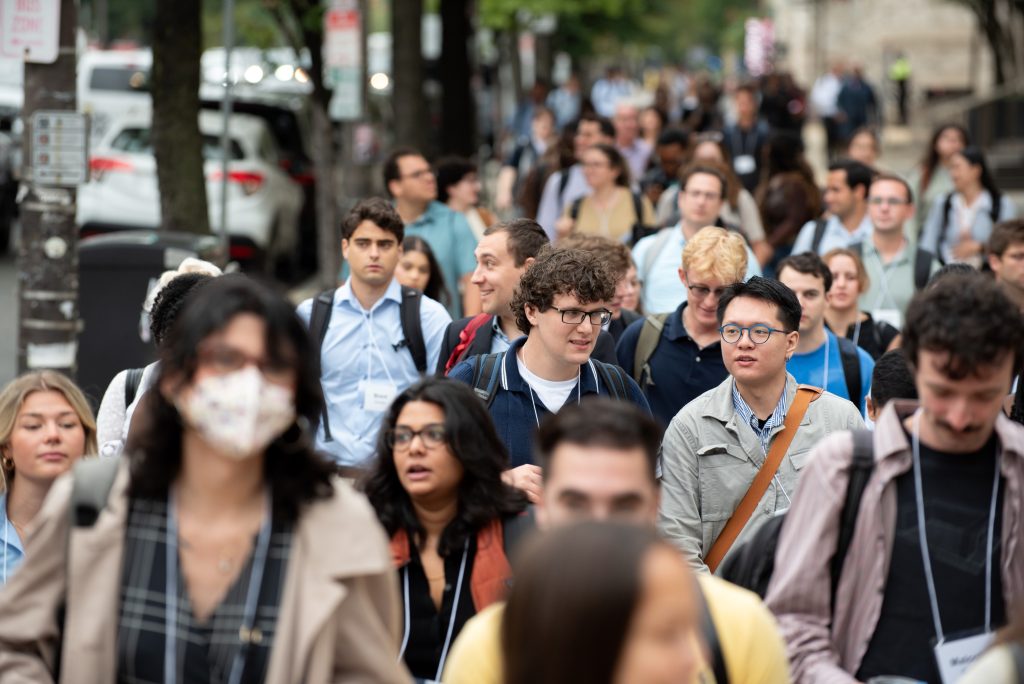
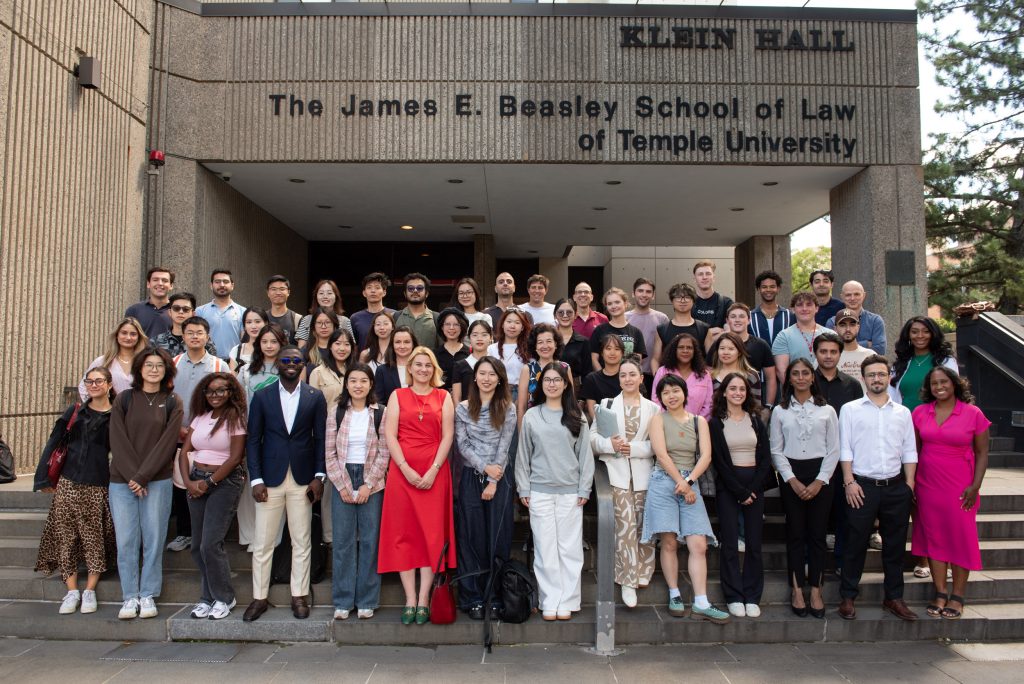
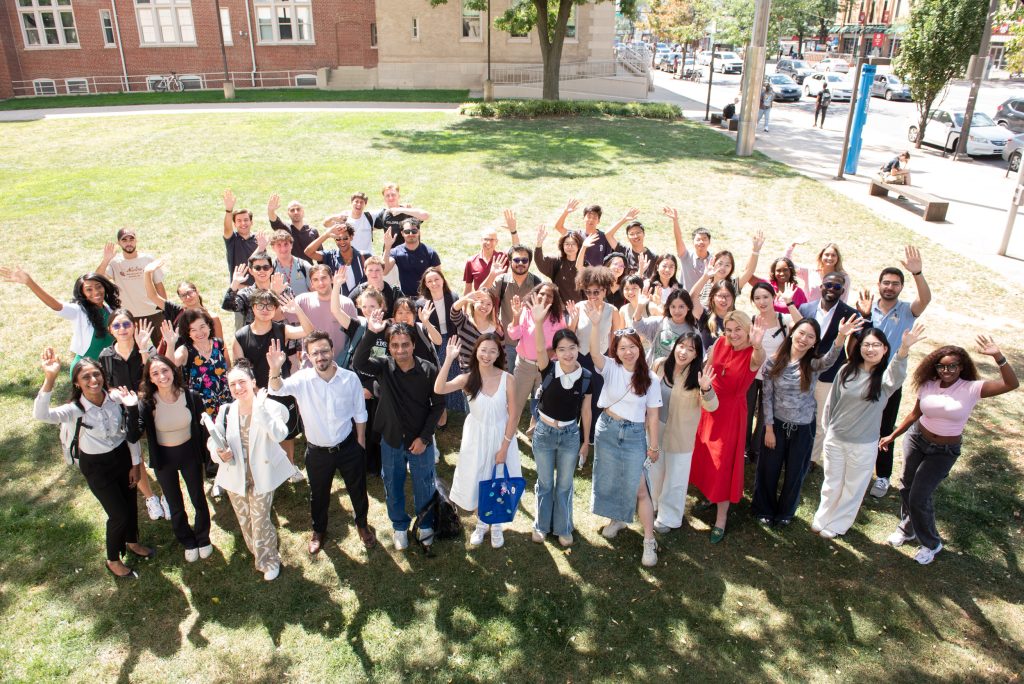
Temple Law School is excited to welcome 69 international LLM, exchange, and SJD students this semester. This includes 38 new LLM students, 12 exchange students, and 19 returning students from 26 countries. They bring invaluable perspectives and are an essential part of the Temple Law community.

We are deeply grateful to everyone who contributed to the success of the two-week orientation program. Thank you to the Temple faculty, staff, and students who participated, and to the Honorable Councilmember Nina Ahmad, the Honorable Judge Giovanni Campbell JD ’93, and Attorney Iryna Mazur LLM ’09 for addressing the students. We also thank John Sperger for leading the LLM mentorship program.

We also thank our law school partners for referring their students to us this semester and for their ongoing friendship and collaboration: Bar-Ilan University, Università Bocconi, Universidad Pontificia Comillas, Universität Luzern / University of Lucerne, Westfälische Wilhelms-Universität Münster, University College Cork, and Utrecht University.

Finally, we celebrate and thank Senior Director Karen McMichael JD ’92 for her tireless dedication in supporting our students as they prepared for life in Philadelphia. As she embarks on retirement, we know the LLM program will continue to reflect her remarkable 33-year legacy of guidance, commitment, and care.

Here’s to a wonderful year ahead for our international students and the entire Temple Law community! #YouAreWelcomeHere