The False Claims Act Confronts DEI

May 6, 2026 For more than 160 years, the False Claims Act (FCA) has been the federal government’s primary tool to combat fraud. In 2025, the U.S. Department of Justice (DOJ) announced $6.8 billion in recoveries driven largely by health care fraud cases. Now, the Trump administration is using the FCA to target what it

What Does the Louvre Art Heist Tell Us About the Permanence — and Impermanence — of Intellectual Property?

April 15, 2026 Theft of physical artworks and jewels is a vivid reminder that while creative value can be timeless, its embodiments are not. That contrast frames a core truth about intellectual property (“IP”): its relative permanence rests on legal constructs that outlast any single object, yet its impermanence still exists in practical, economic, and

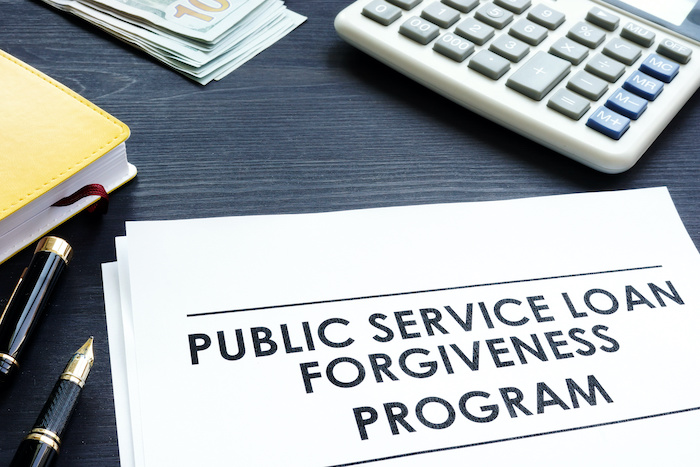
U.S. Department of Education Narrows Scope of the Public Service Loan Forgiveness Program

April 9, 2026 On October 31, 2025, the U.S. Department of Education (the Department) published a final rule amending the Public Service Loan Forgiveness (PSLF) program. The final rule takes effect July 1, 2026, and amends the definition of eligible employers to exclude those engaged in activities deemed by the Department to be “indicative of

Philadelphia Enacts New Workplace Protections for Menstruation and Menopause

March 5, 2026 On December 3, 2025, Philadelphia Mayor Cherelle Parker signed the Philadelphia City Council legislation prohibiting discrimination and requiring accommodation on the basis of needs related to menstruation, perimenopause, or menopause. The new ordinance will take effect on January 1, 2027. The bill amends the Philadelphia Fair Practices Ordinance to prohibit discrimination on

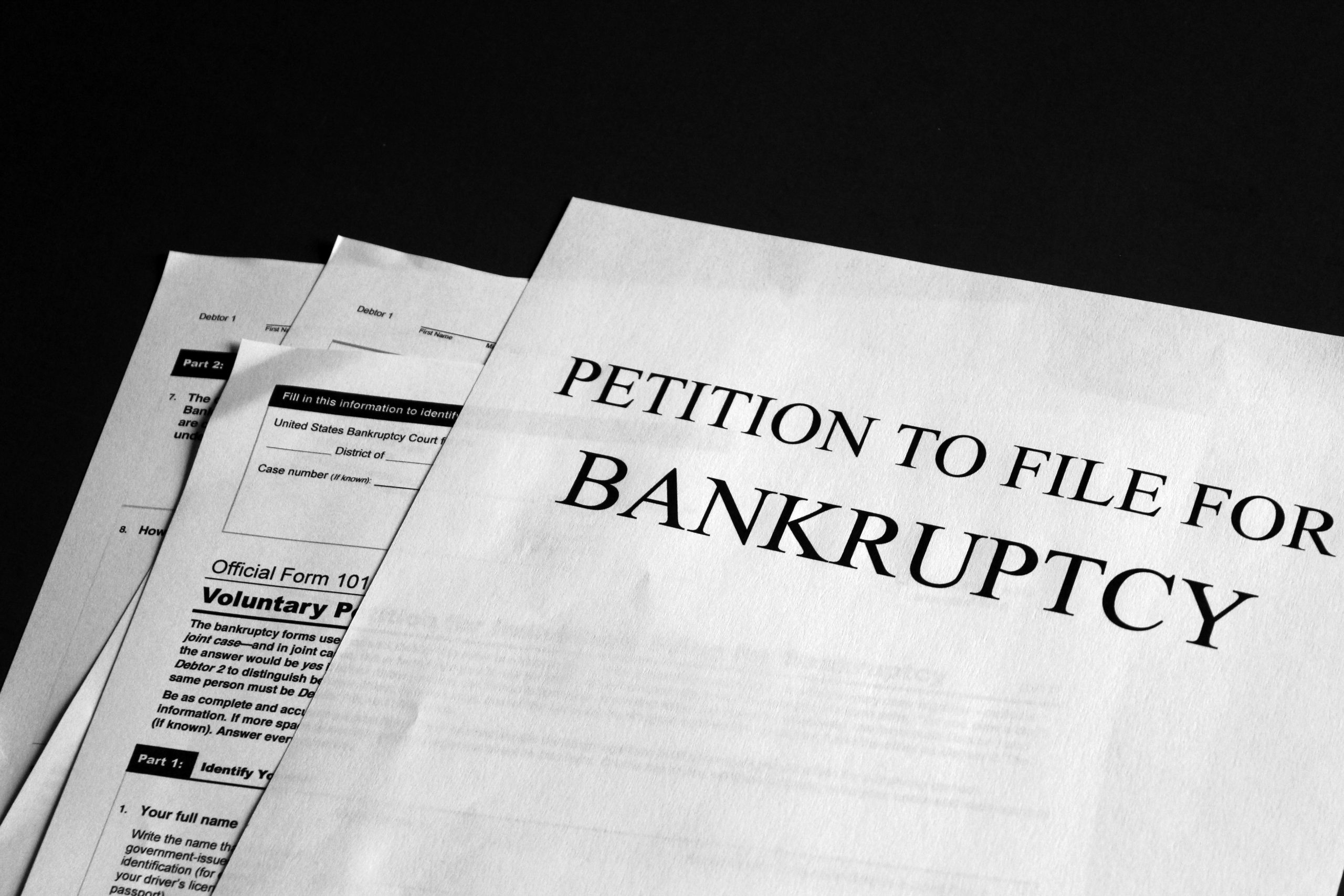
The End(s) of Bankruptcy Exceptionalism: Purdue Pharma and the Problem of Social Debt

February 18, 2026 The Supreme Court’s 5-4 decision in the controversial chapter 11 bankruptcy reorganization of opioid-maker Purdue Pharma ended the use of nonconsensual third-party “releases,” which discharge (eliminate) liabilities of nondebtors who may share liability with a corporate debtor. Although the majority opinion is correct that the Bankruptcy Code does not permit this, it

Corporate Due Process

December 18, 2025 What if corporate power can be bargained for—and any fiduciary duties to constrain that power, left behind? Delaware’s latest amendments open the door to just that, reshaping the rules around control, accountability, and the role of contract in corporate governance. In a new draft article, Corporate Due Process, we explore these questions,