Texas Stock Exchange (TXSE) Approved as Newest National Securities Exchange

March 10, 2026 On September 30, 2025, the U.S. Securities and Exchange Commission (SEC) approved the application of the Texas Stock Exchange LLC (TXSE) to become the 29th registered national securities exchange in the United States. This approval is a culmination of several other efforts supported by TXSE to champion the state of Texas as

Philadelphia Enacts New Workplace Protections for Menstruation and Menopause

March 5, 2026 On December 3, 2025, Philadelphia Mayor Cherelle Parker signed the Philadelphia City Council legislation prohibiting discrimination and requiring accommodation on the basis of needs related to menstruation, perimenopause, or menopause. The new ordinance will take effect on January 1, 2027. The bill amends the Philadelphia Fair Practices Ordinance to prohibit discrimination on

10-Q&A Episode 24: A Conversation with U.S. Bankruptcy Judge Michelle Harner: Mentorship, Service, and the Power of Saying “Yes”

On this episode of the Temple 10-Q&A, Editor Madelyn Demchick (LAW’26) sat down with U.S. Bankruptcy Judge Michelle Harner. Judge Harner is a U.S. Bankruptcy Judge for the District of Maryland. Prior to her appointment to the bench, Judge Harner served as the Francis King Carey Professor of Law and the Director of the Business

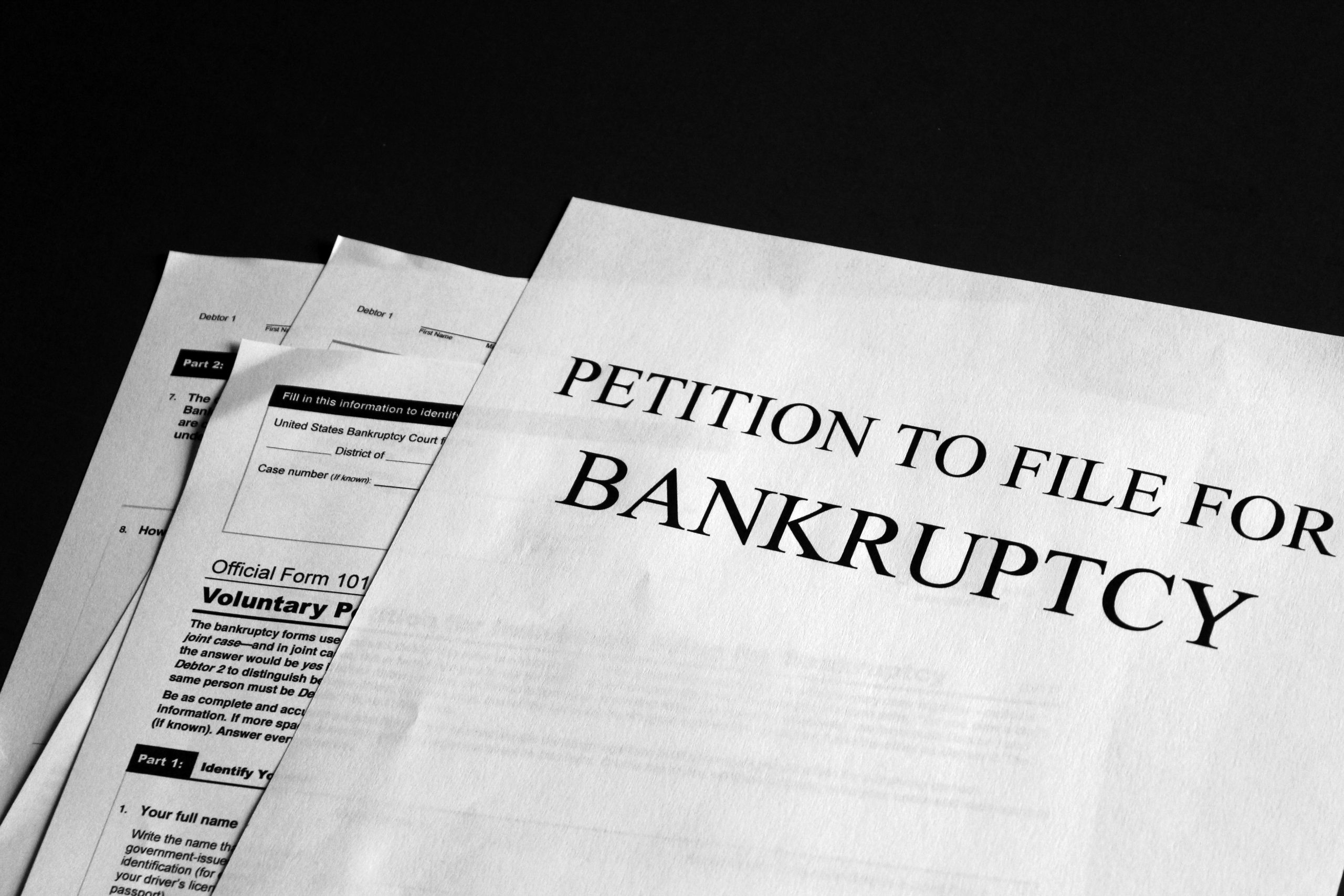
The End(s) of Bankruptcy Exceptionalism: Purdue Pharma and the Problem of Social Debt

February 18, 2026 The Supreme Court’s 5-4 decision in the controversial chapter 11 bankruptcy reorganization of opioid-maker Purdue Pharma ended the use of nonconsensual third-party “releases,” which discharge (eliminate) liabilities of nondebtors who may share liability with a corporate debtor. Although the majority opinion is correct that the Bankruptcy Code does not permit this, it

Temple 10-Q’s AI Resources for Business Lawyers (Updated)

September 9, 2024
The Temple 10-Q has updated its “AI Resources for Business Lawyers” page to aid business lawyers and students in staying up to date on AI’s latest and what it means for business law. Recognizing the expansive, fast-moving nature of AI, this resource contains valuable links for business law practitioners and students sourced from Temple’s business law community and the wider news media.

Navigating Patent Eligibility in the Age of AI: Strategic Insights from the USPTO’s August 2025 Guidance

February 4, 2026 The August 4, 2025 memorandum (Memo) issued by the U.S. Patent and Trademark Office (USPTO) clarifies how examiners should approach subject matter eligibility under 35 U.S.C. § 101.  It raises the bar for § 101 rejections and offers applicants new tools to defend their claims. The Memo explicitly instructs examiners not to

Are Corporations the New Whistleblowers?

January 12, 2026 The concept of whistleblowing has traditionally referred to individuals who expose organizational wrongdoing, often at significant personal risk. Historically, corporations were not viewed as whistleblowers, particularly with respect to reporting misconduct by their own employees or agents. Since the early 2000s, however, enforcement policies and regulatory incentives have increasingly encouraged corporate self-disclosure

Corporate Due Process

December 18, 2025 What if corporate power can be bargained for—and any fiduciary duties to constrain that power, left behind? Delaware’s latest amendments open the door to just that, reshaping the rules around control, accountability, and the role of contract in corporate governance. In a new draft article, Corporate Due Process, we explore these questions,

Is Your Force Majeure Clause Tariff-ic?

December 10, 2025 Given the rapid, sweeping, and unpredictable changes in the tariff landscape, we return to the force majeure clause, a now-recurring theme following the COVID-19 pandemic and cyberattacks. Although, like many force majeure events, tariffs can significantly disrupt or alter markets, tariffs’ nature, duration, and potential impact differ markedly. Despite renewed attention, the