SEC’s Leveraged Loan Market

Pepper Hamilton partner Deborah Enea reports on the SEC’s leveraged loan market.
Pepper Hamilton partner Deborah Enea reports on the SEC’s leveraged loan market.
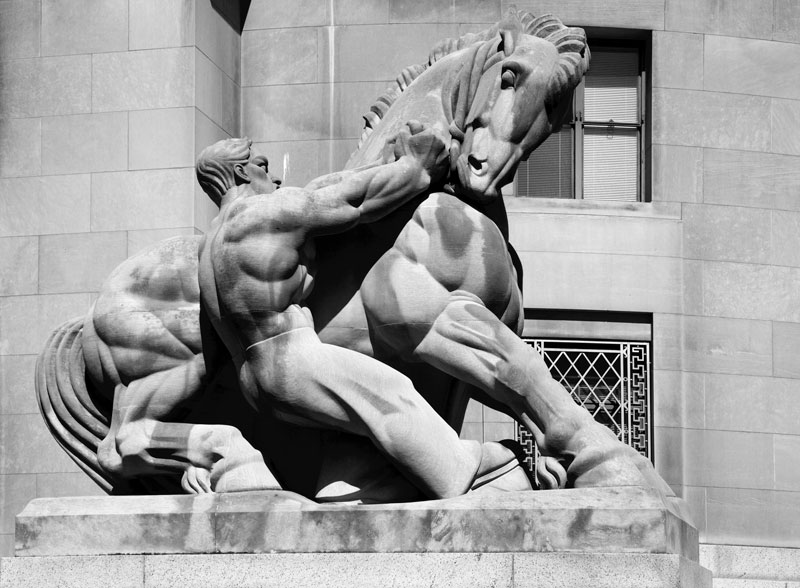
Temple Law alumnus Carl Hittinger discusses the positions of the Federal Trade Commission and the Department of Justice as calls for antitrust investigations into “Big Tech” companies escalate. The agencies, which share civil antitrust enforcement authority, reportedly are tussling over the right to investigate social media, online retail, search engine, and app store companies, raising the possibility of wasted resources, duplicative investigations, inconsistent positions, and confusion.
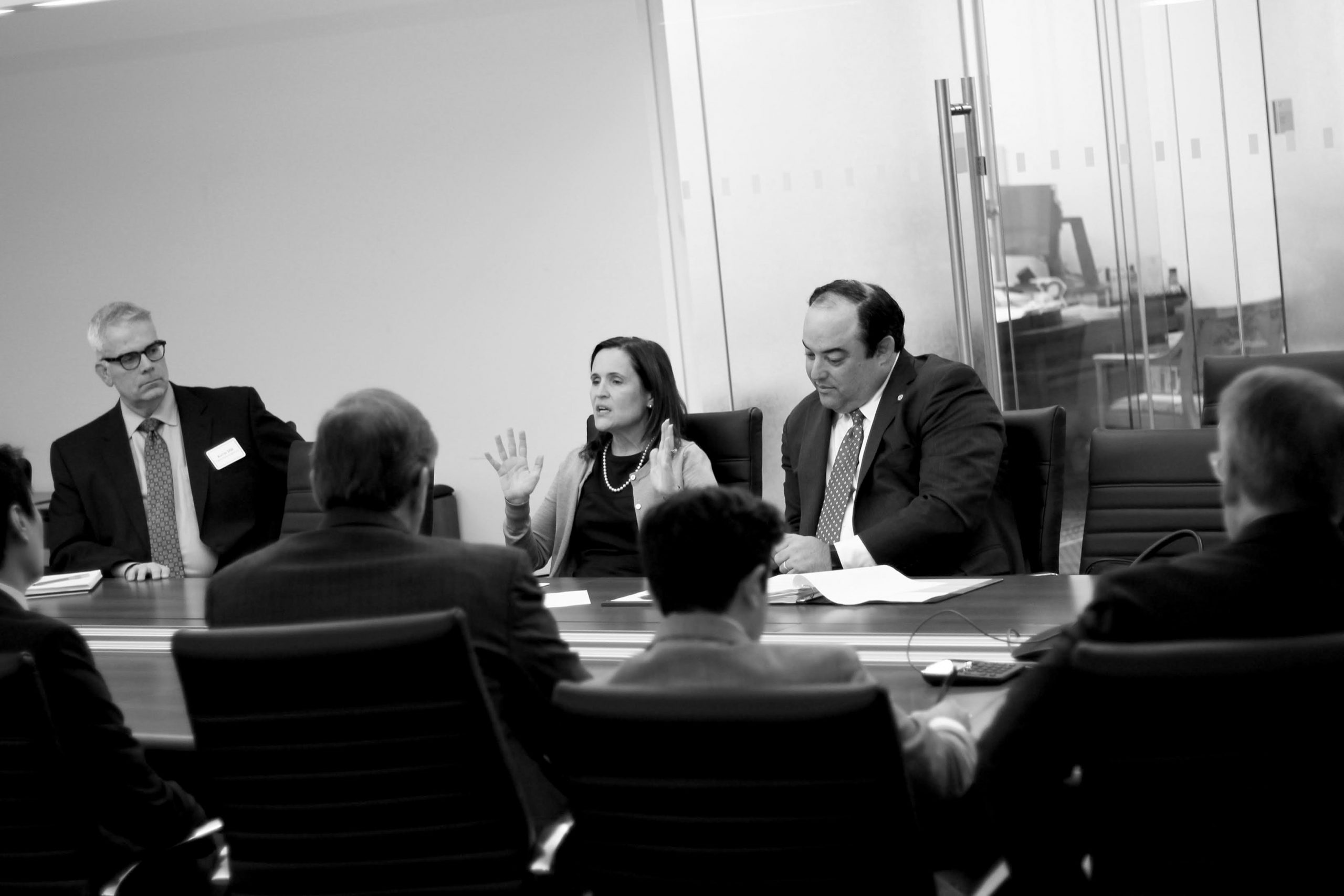
O Pictured Above: (Left to Right) Kevin Dill, GC and CCO at Tabula Rasa Healthcare; Stephanie Avakian, Co-Director, Division of Enforcement, SEC; Jeff Boujoukos LAW ’92, Regional Director of the SEC Philadelphia On Tuesday, October 29, 2019, Temple Law’s Center for Compliance and Ethics held a roundtable event featuring Stephanie Avakian (LAW ’95), Co-Director of
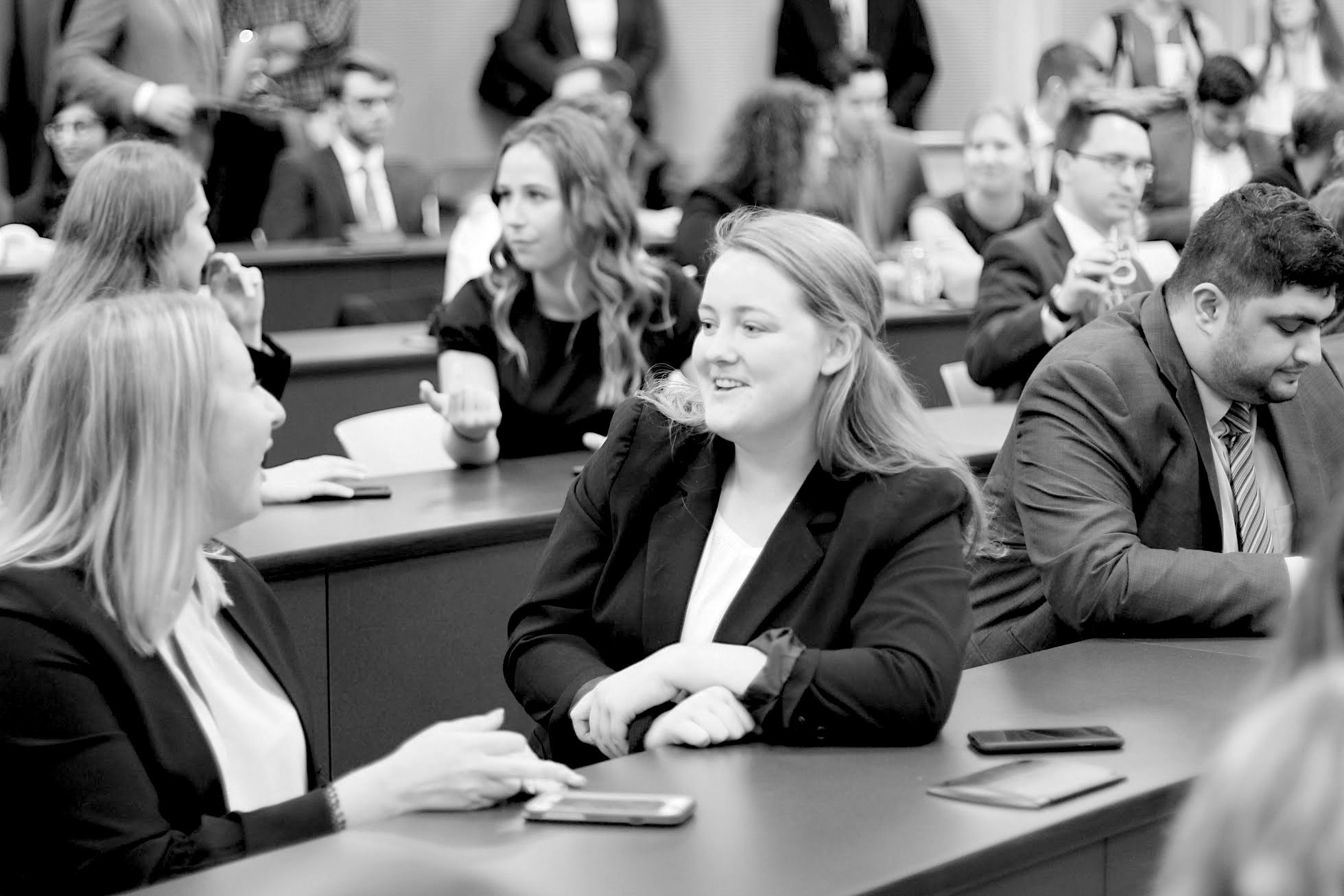
Each fall semester, Temple 1Ls spend three weeks negotiating and documenting some fairly straightforward deal elements in Introduction to Transactions Skills (ITS). Overseen by Professor Andrea Monroe, ITS requires all 1Ls to play the role of attorney to either a budding restauranteur or a potential investor and attempt to strike a deal to open a new restaurant.

Recently, I (along with colleagues at other law schools) asked that an “examiner” be appointed in the Purdue Pharma chapter 11 bankruptcy case, pending in the Southern District of New York. Although the Bankruptcy Court has not yet acted on that request (technically, it was in the form of a letter to the United States

Tax relief may be coming for issuers and holders of debt instruments and parties to derivatives and other financial contracts governed by LIBOR (the London Interbank Offered Rate). The IRS published new proposed regulations on October 9 to address tax concerns as parties have begun to modify financial instruments’ reference rates in anticipation of a

White and Williams attorneys discuss steps the commercial lending industry can take to prepare for recession.

The U.S. District Court for the Southern District of New York has held that the Federal Arbitration Act preempts state laws that prohibit mandatory arbitration of sexual harassment claims.

Temple Law Alumni Patrick Hromisin discusses the record-breaking Facebook-FTC settlement and what this settlement means for other companies with data privacy concerns.

Second in a series of four primers on the key legal regimes incentivizing and protecting whistleblowers who report fraud: the False Claims Act (FCA) and the Securities Exchange Commission (SEC), Commodity Futures Trading Commission (CFTC) and Internal Revenue Service (IRS) whistleblower programs.