“Spitballing” Enterprise Risk – Part II – Emerging from the Pandemic
10-Q Editor and Temple Law alumni Jonathan Broder provides an updated report on COVID-19 business risk management issues and recommendations on how to move forward.
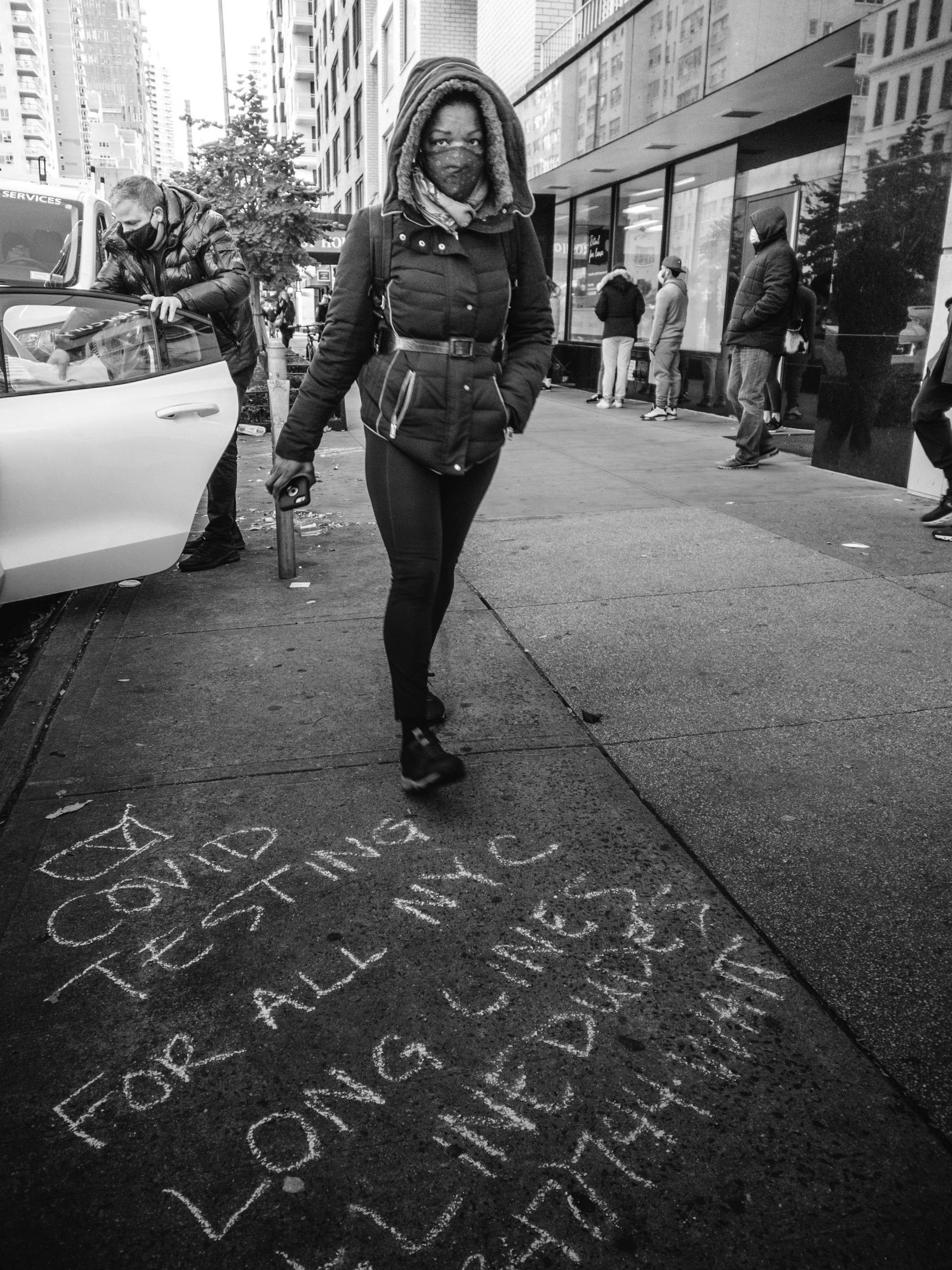
COVID-19 is the new virus this country has been preparing to take on for decades – and has, so far, failed miserably to stop. While peer countries have managed to get it under control, the United States faces rising cases and deaths. This has been, first and foremost, a failure of leadership and the implementation of an effective response.
Temple Law Professor Harwell Wells writes about the history of the Securities and Exchange Commission’s (SEC) Enforcement Division for the SEC Historical Society and how the Division has been underfunded.
In recent years, private misbehavior of corporate executives like Harvey Weinstein, Steve Wynn, Leslie Moonves, and Elon Musk has outraged many people around the world. Such misconduct – when made public – has frequently damaged the executives’ public reputations, diminished the value of their companies’ stock, and raised some serious legal and policy issues. Part of the challenge in dealing with misbehaving business executives is that the two bodies of law and regulation that govern much of American business – state corporate law and federal securities law – were largely designed to address the professional duties of executives and not their personal lives. Temple Law Professor Tom Lin proposes an original and workable roadmap for conceptualizing, navigating, and addressing executive private misconduct.
The 5th edition of the MBCAA of course contains the full text of the Model Act, reflecting all amendments and Official Comments through July 1, 2020, including the substantial revisions effected by the 2016 revision of the Model Act, and more recent additions such as the provisions authorizing virtual-only shareholder meetings and public benefit corporations. Extensive additional resources, however, distinguish the newly published MBCAA from other published versions of the Act and, indeed, from other corporate law treatises.
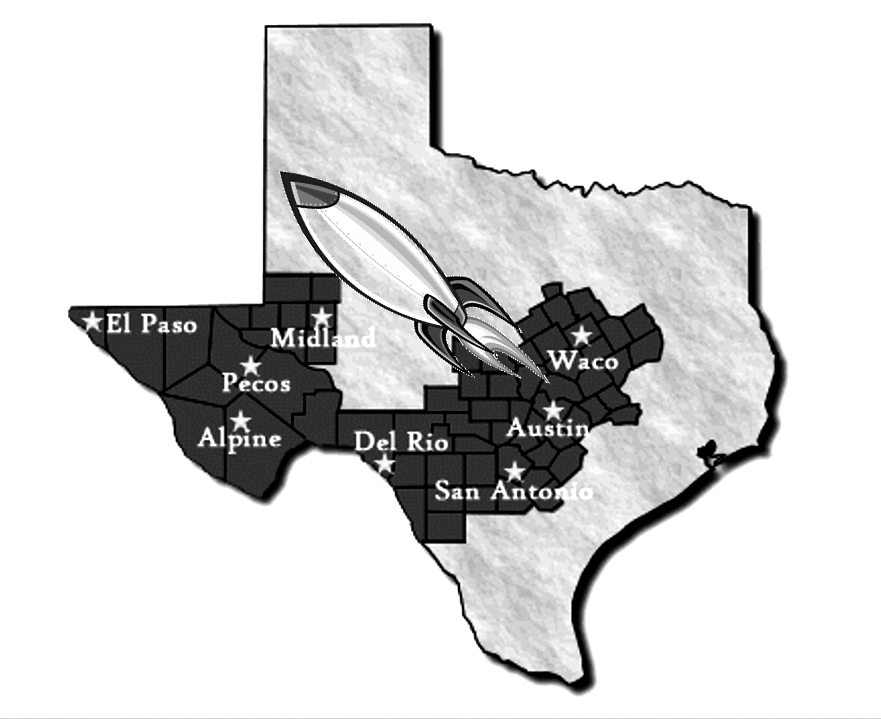
Since Judge Alan Albright took the bench in the Western District of Texas in 2018, his docket has become the new hotspot for patent litigation. The authors identify five reasons why the Western District is attractive to patentees and explain why they are problematic.
The Temple Law School Center for Compliance and Ethics provides an analysis of the impact of COVID-19 on corporate compliance and ethics programs in the United States.
This article, which explores federal court jurisdiction over foreign business entities in the context of an American professional baseball player’s lawsuit against a Japanese professional baseball team and its corporate owner, uses the decision of the District Court finding personal jurisdiction over the team, but not its owner, as a springboard for a broader discussion of the jurisdictional issue. It explores the various analyses that are employed by courts in the Third Circuit and other Circuits, focusing particularly on the interactive nature of websites as a basis for the exercise of personal jurisdiction.
Part one of a two-part series on current business compliance challenges. This part focuses on challenges facing businesses operating in Asia. Part two will focus on US-based companies.
Professor Alice Abreu outlines the purpose and mission of the newly formed Temple Law School Center for Tax Law and Public Policy.