Performance Management is Key to Business Ethics
Patrik Florencio & David Clark discuss the critical role of performance management in building a culture of integrity and ethics.
Patrik Florencio & David Clark discuss the critical role of performance management in building a culture of integrity and ethics.

Tattoo Recognition Technology (TRT) offers a wealth of information that can be used by law enforcement: identifying a person or corpse where traditional tools such as facial features or fingerprints are unsuitable. They can also provide useful information, such as gang affiliation, religious beliefs, prior convictions, and years spent in jail. However, TRT also raises a host of legal issues including privacy concerns, the law of search and seizure, freedoms of expression and religion, racial profiling, and the Fifth Amendment.

Professor Jonathan Broder assesses the impact of the recent SCOTUS decision against the Environmental Protection Agency on the power of administrative agencies over regulated industries.
Professor Donnella pushes back against criticism of the recent DOJ sanction of Glencore International.
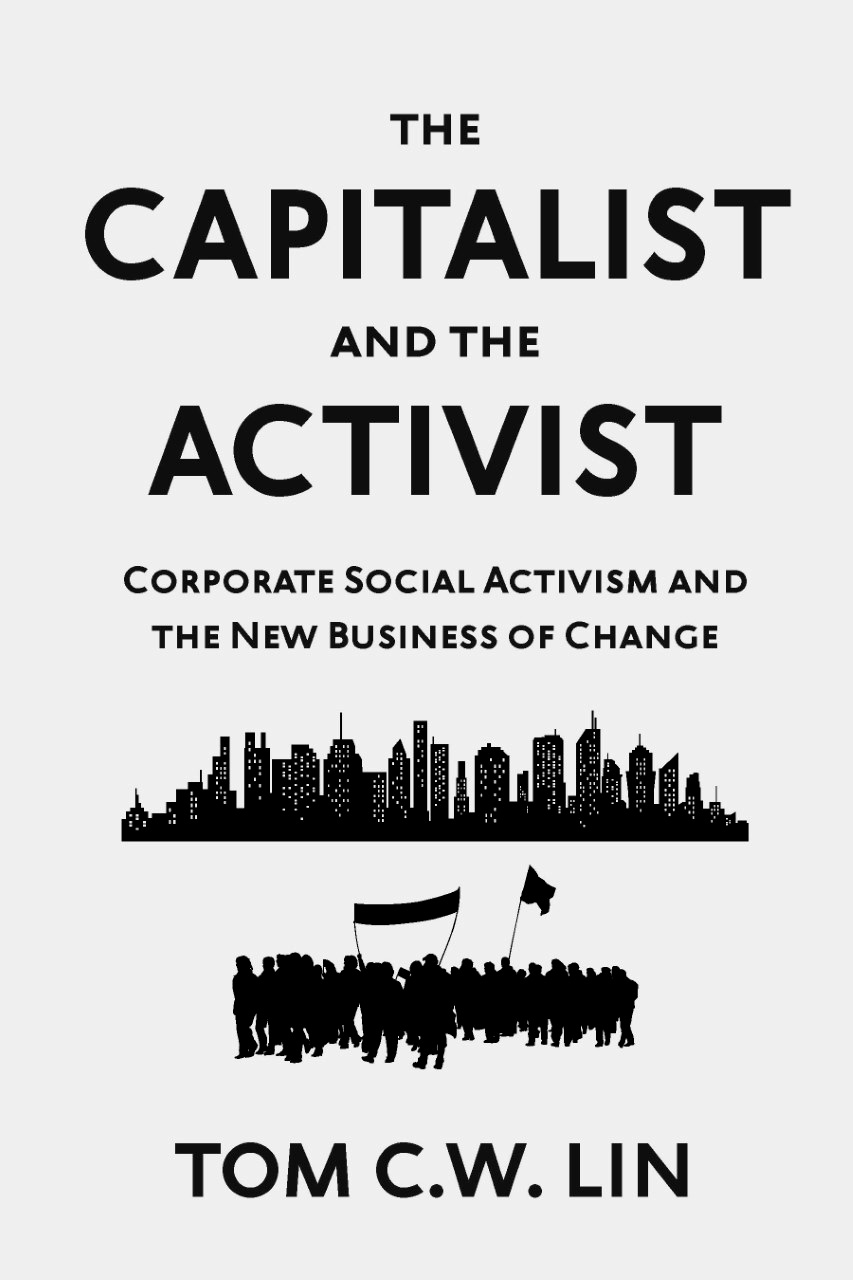
Professor Tom Lin discusses his new book, The Capitalist and the Activist, detailing the role that corporations play in social activism and how it has changed over time.

Professor Jonathan Lipson discusses the emerging issue of vertical forum shopping in chapter 11 bankruptcy cases.
This is the second of two lists of “do’s and “don’ts” for those newly entering a legal practice environment—or those who employ them. Part 1 covered some tips about the work. The list below recognizes that law is usually practiced with other people (but see COVID-19), and so you need to be mindful of various social issues that may crop up.
Professor Donnella discusses the role of corporations in reforming their internal compliance and ethical guidelines

Temple Law’s Center for Compliance and Ethics’ Michael Donnella considers how unfavorable personality traits can be extremely helpful when properly leveraged by compliance officers.

Delaware statutory trusts, limited liability companies, and limited partnerships (collectively, “Alternative Entities”) can form separate series of assets that, if certain statutory requirements are met, cannot be reached by creditors of the entity as a whole or of any other series. Many practitioners and commentators have been concerned that such series may not fall under the UCC’s definition of “person” and thus may not be “debtors” for purposes of Article 9 of the UCC. This article reviews the series provisions in the acts governing Delaware Alternative Entities and provides a framework for analyzing questions regarding the perfection of security interests in the assets of a series.