The Bomb and the Bankruptcy

Award-winning Author Beth Macy at Temple Law School to discuss the opioid crisis with a panel of experts, including host Professor Jonathan Lipson.
Award-winning Author Beth Macy at Temple Law School to discuss the opioid crisis with a panel of experts, including host Professor Jonathan Lipson.
Hannah Travaglini (LAW ’21) of Montgomery McCracken co-authored an article with Edward Schnitzer discussing the recent court decision in the LeClairRyan bankruptcy and, more broadly, the tax ramifications of different corporate entity structures during bankruptcy.

Professor Jonathan Lipson discusses the emerging issue of vertical forum shopping in chapter 11 bankruptcy cases.

: On May 25, 2021, the U.S. Court of Appeals for the Second Circuit reaffirmed the U.S. Constitution’s requirement of uniformity in bankruptcy legislation and rulemaking.

The State of New York Court of Appeals has held that claims against non-debtor related parties, based on their actions to aid or induce Chapter 11 debtors to breach contractual loan covenants, were not subject to preemption under federal bankruptcy law.
Despite a company’s claim that it deals only in legal hemp products, in January, a federal court denied the company’s access to relief under the Bankruptcy Code. U.S. Bankruptcy Court Judge Joseph Rosania, Jr., of the District of Colorado, dismissed United Cannabis Corporation’s (UCANN) Chapter 11 bankruptcy filing, a move that could cause concerns for cannabis companies that may be seeking bankruptcy relief, particularly in the midst of a global pandemic.

COVID-19 has undoubtedly impacted the restaurant industry. Many iconic chains have been forced to close their underperforming locations. Huge franchisees of these chains have also reorganized under Chapter 11. But there is still hope. With reduced competition, bidding wars and increased merger-and-acquisition activity of restaurant chains have developed

On November 10, 2020, Temple Law Professor and 10-Q Faculty Editor Jonathan Lipson delivered the 2020 Friel-Scanlan lecture titled “Sex, Drugs, and Bankruptcy: Due Process and Social Debt.” The lecture was delivered against the backdrop of the American opioid crisis and recent events surrounding the well-publicized bankruptcies of Purdue Pharma, Boy Scouts of America, and other debtors with liability for egregious misconduct. Professor Lipson argued that a bankruptcy system which offers sweeping releases from civil and criminal liability for those involved in this wrongdoing upsets the basic tenets of Due Process.

The Editors report on COVID – 19 business risk management issues and recommendations.
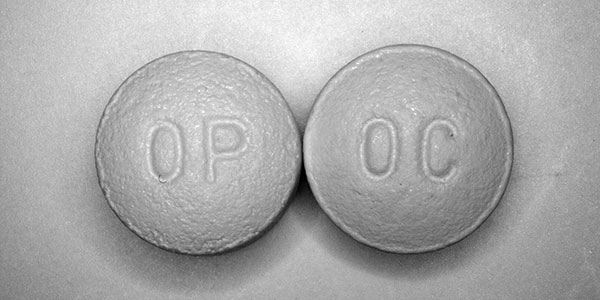
Recently, I (along with colleagues at other law schools) asked that an “examiner” be appointed in the Purdue Pharma chapter 11 bankruptcy case, pending in the Southern District of New York. Although the Bankruptcy Court has not yet acted on that request (technically, it was in the form of a letter to the United States