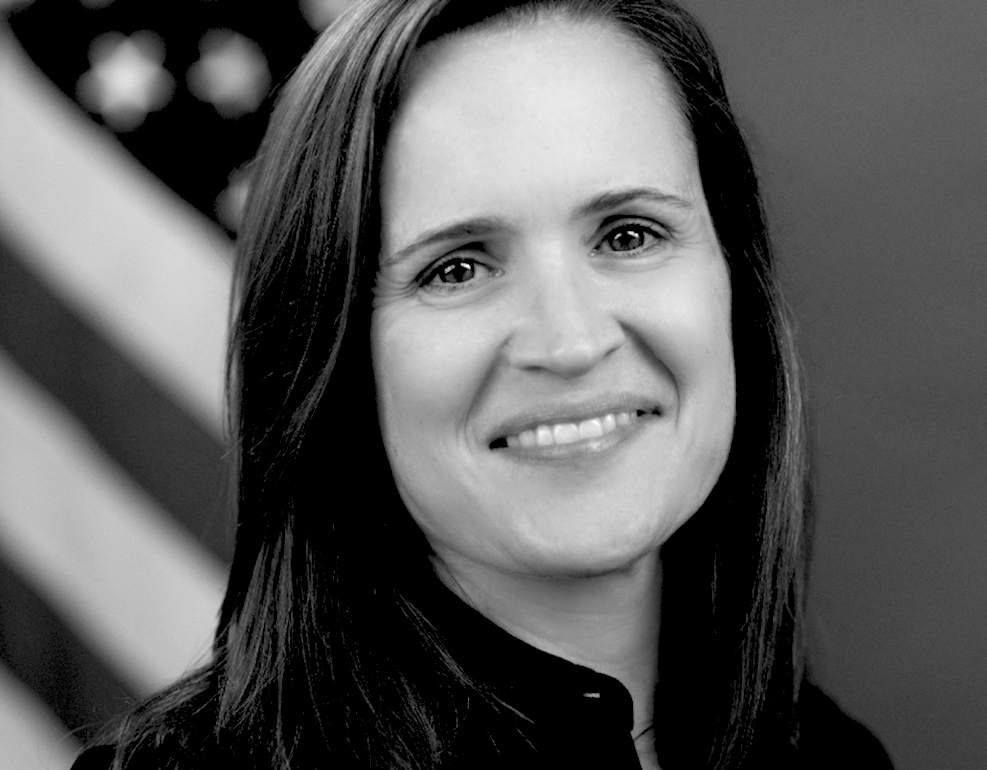
Alumni Spotlight: Stephanie Avakian (LAW ’95), Co-Director of the SEC’s Enforcement Division
Stephanie Avakian (LAW ’95), Co-Director of the SEC’s Enforcement Division, sits down with Temple Law 3L Brian Thomas to discuss her new role.
Samuel M. Ward and Michael A. Toomey (LAW ’10) discuss the impact of mandatory arbitration in company charters on investors
Prof. Pamela Bookman discusses the “SomethingBurger” of SCOTUS’s recent decision impacting specific personal jurisdiction
Heedless of the old saw that free advice is worth what you pay for it, the Editors of The Temple 10-Q thought it might help students and recent graduates beginning new jobs (e.g., as summer associates)—and those who employ them—to have a list of “do’s” and “don’ts” accumulated from our years of hard experience. Although
Pamela Bookman provides a preview of her forthcoming article on the phenomena of ad hoc procedure.
Chase Howard (LAW ’18) dives into Daimler and its conflict with registration-based jurisdiction in Pennsylvania
Professor Pamela Bookman highlights the global impact of the Volkswagen lawsuit on forum shopping
In recent years, entrepreneurial plaintiffs’ lawyers representing stockholders in litigation challenging mergers and acquisitions have increasingly asserted aiding and abetting claims against financial and other advisors to corporate boards of directors, perceiving the investment banks and law firms that serve in these roles as potential defendants with deep pockets. This trend likely will reverse itself
The U.S. District Court for the District of Columbia recently granted the Federal Trade Commission’s (FTC’s) motion to preliminarily enjoin the merger of Staples and Office Depot, the country’s two largest brick-and-mortar retailers and distributors of office supplies.[1] The injunction caused the companies to abandon the merger. Background Interestingly, the FTC’s theory was not based
At the February meeting of the American Bar Association’s House of Delegates in San Diego, which I attended, the delegates adopted a resolution giving states a regulatory framework for allowing non-lawyers to provide certain legal services. Resolution 105, sponsored by the ABA’s Commission on the Future of the Legal Profession, was purportedly aimed at addressing