US Quarterly Fee Differential Ruled Unconstitutional

: On May 25, 2021, the U.S. Court of Appeals for the Second Circuit reaffirmed the U.S. Constitution’s requirement of uniformity in bankruptcy legislation and rulemaking.
 About Francis J. Lawall (LAW '85) and Patrick M. Ryan
: On May 25, 2021, the U.S. Court of Appeals for the Second Circuit reaffirmed the U.S. Constitution’s requirement of uniformity in bankruptcy legislation and rulemaking.
Temple Law’s Center for Compliance and Ethics’ Michael Donnella argues for the usefulness of strong and authentic values statements to assist organizations and their employees in behaving consistently with Compliance and Ethics standards.

Temple University is launching a new institute that will serve as a hub and organizing platform for the school’s expanding engagement on law and high tech. The Institute for Law, Innovation & Technology (“iLIT”) will have a mission to advance diversity, equity, and empowerment of members of underrepresented groups in technology-related fields and practice areas.

Ken Jacobsen, Director of Temple Law’s Sports Program, and key members of the Temple Athletics program discuss the unanimous Supreme Court decision barring the NCAA’s long-standing regulations that restricted student athlete’s compensation.

Temple Law student discusses the value she found in participating in the Philadelphia Bar Association tax mentorship program.

Professor Jonathan Lipson and Interim Dean Rachel Rebouché hosted a workshop for contributions to Contract in Crisis, an upcoming special issue of Duke University’s LAW AND CONTEMPORARY PROBLEMS. Workshop topics included doctrinal solutions to addressing the concurrence of COVID-19 and income inequality, as well as the benefits of using private ordering solutions in times of public crisis in lieu of public regulation.

The Infrastructure Investment and Jobs Act allocates over $1T in funding to infrastructure projects, the largest infrastructure package in decades.

: Elizabeth Lange discusses the Biden Administration signaling potential for enhanced ESG disclosures, and how increased and broadened disclosures could affect the way companies do business with the federal government in the future.
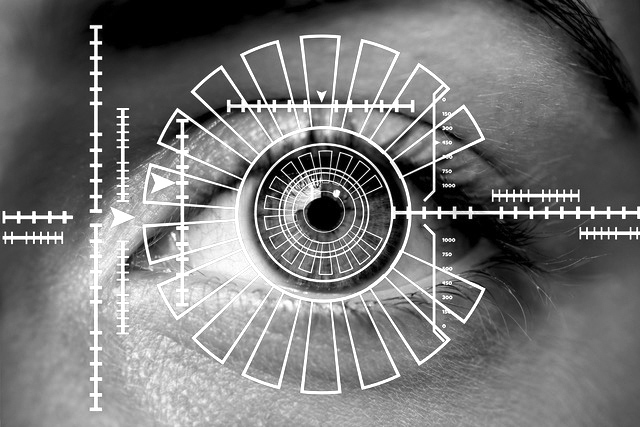
Modeled after the Illinois Biometric Information Privacy Act, New York City’s biometric privacy law requires consumer establishments to post signs advising patrons of their rights.

Companies providing information technology products and services to U.S. government agencies are now required to notify such agencies of cyber incidents and meet specific cybersecurity standards.